Planning and Review Must Become a Culture

The Catholic Archdiocese of Lilongwe has called on its departments and social entities to focus more on the impact of their activities rather than simply reporting completed tasks.

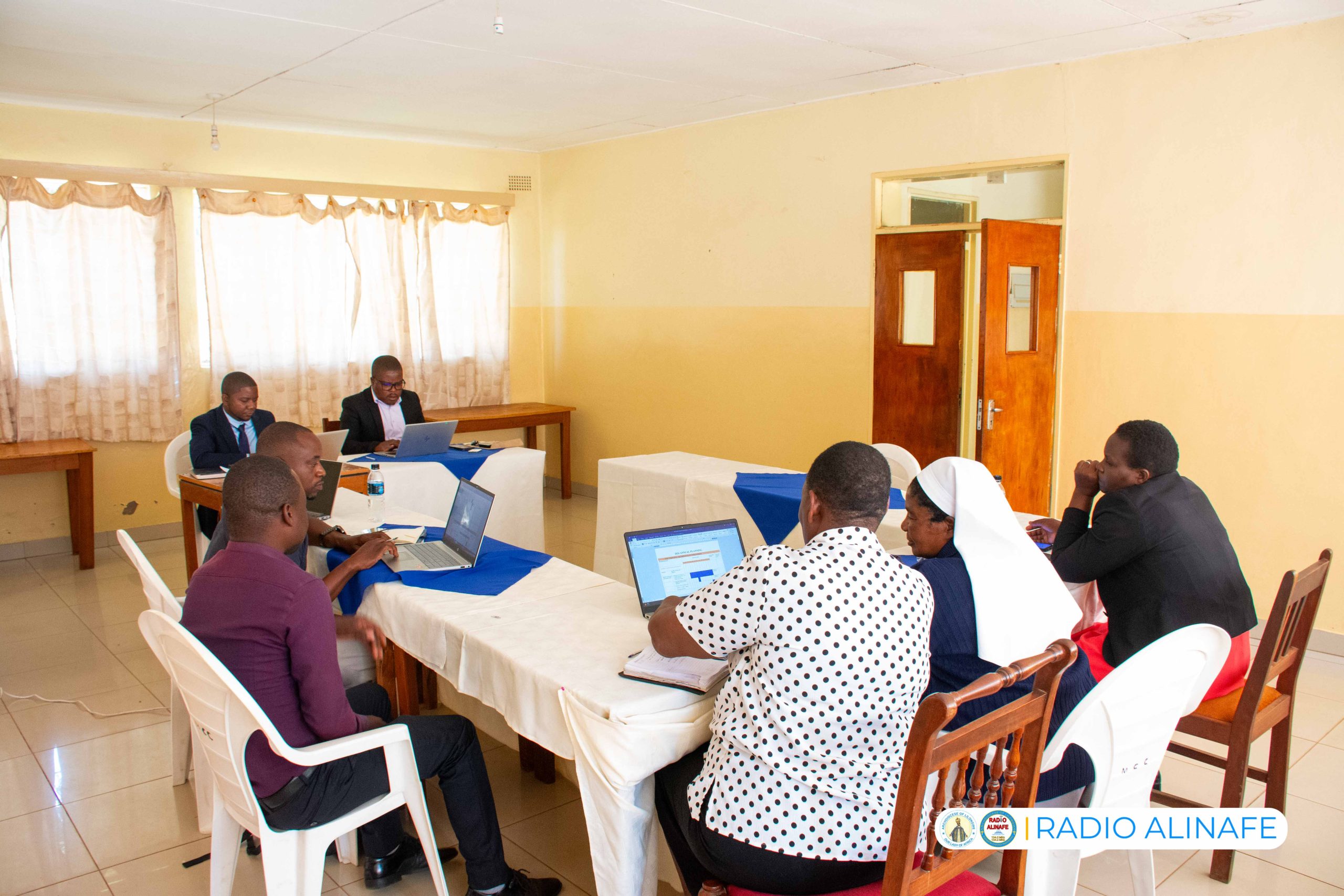
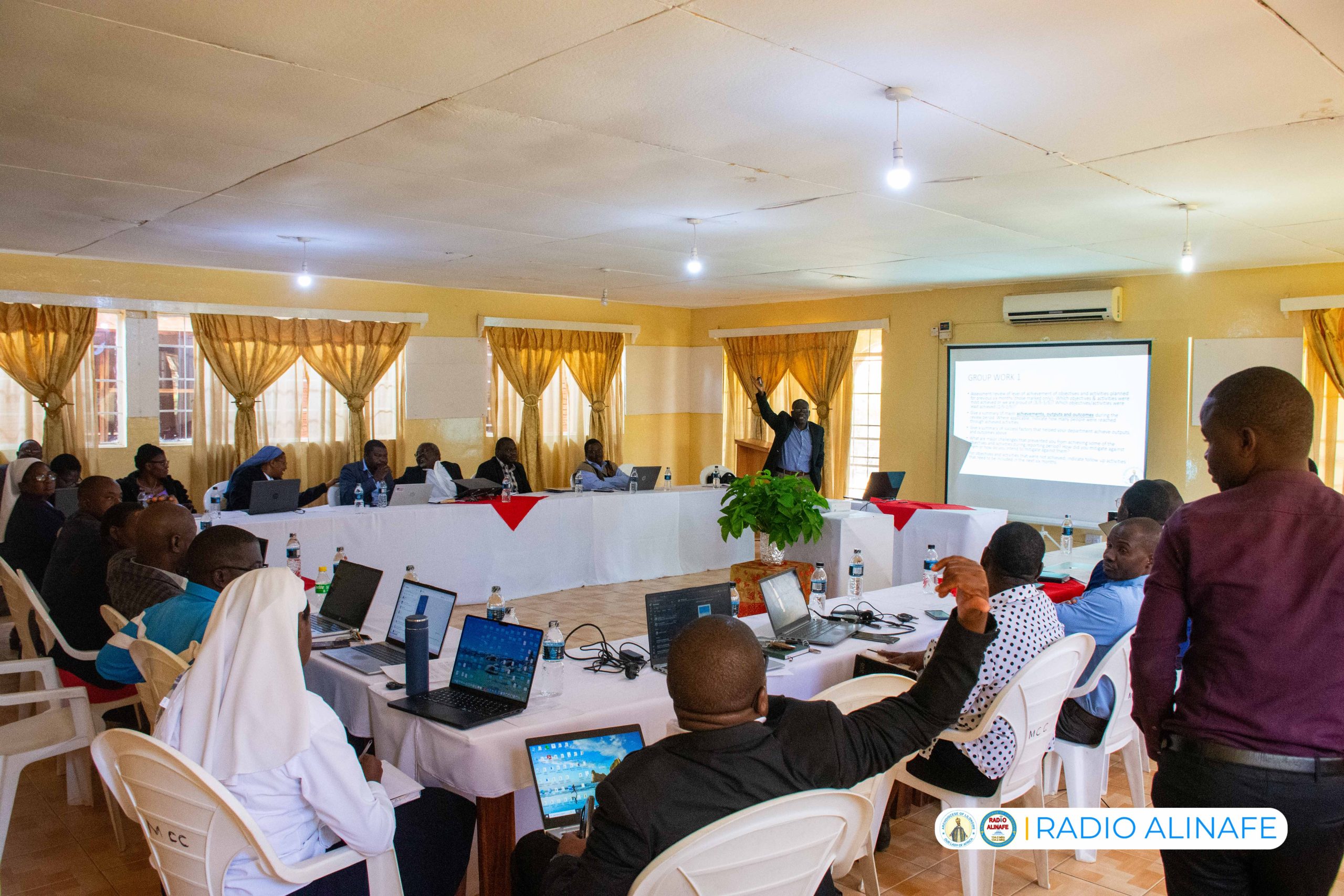
Chairperson of the Archdiocese’s Special Planning Taskforce, Jacob Mapemba, made the remarks after a mid-year review meeting held on Monday 10 August 2026 at Msamba Conference Centre in Lilongwe to assess progress made during the first half of the year.

Mapemba said one of the major resolutions from the meeting was the need for departments to move beyond reporting outputs and begin evaluating outcomes.
According to Mapemba, the ultimate goal of pastoral work is the growth of faith and spiritual transformation among the people.
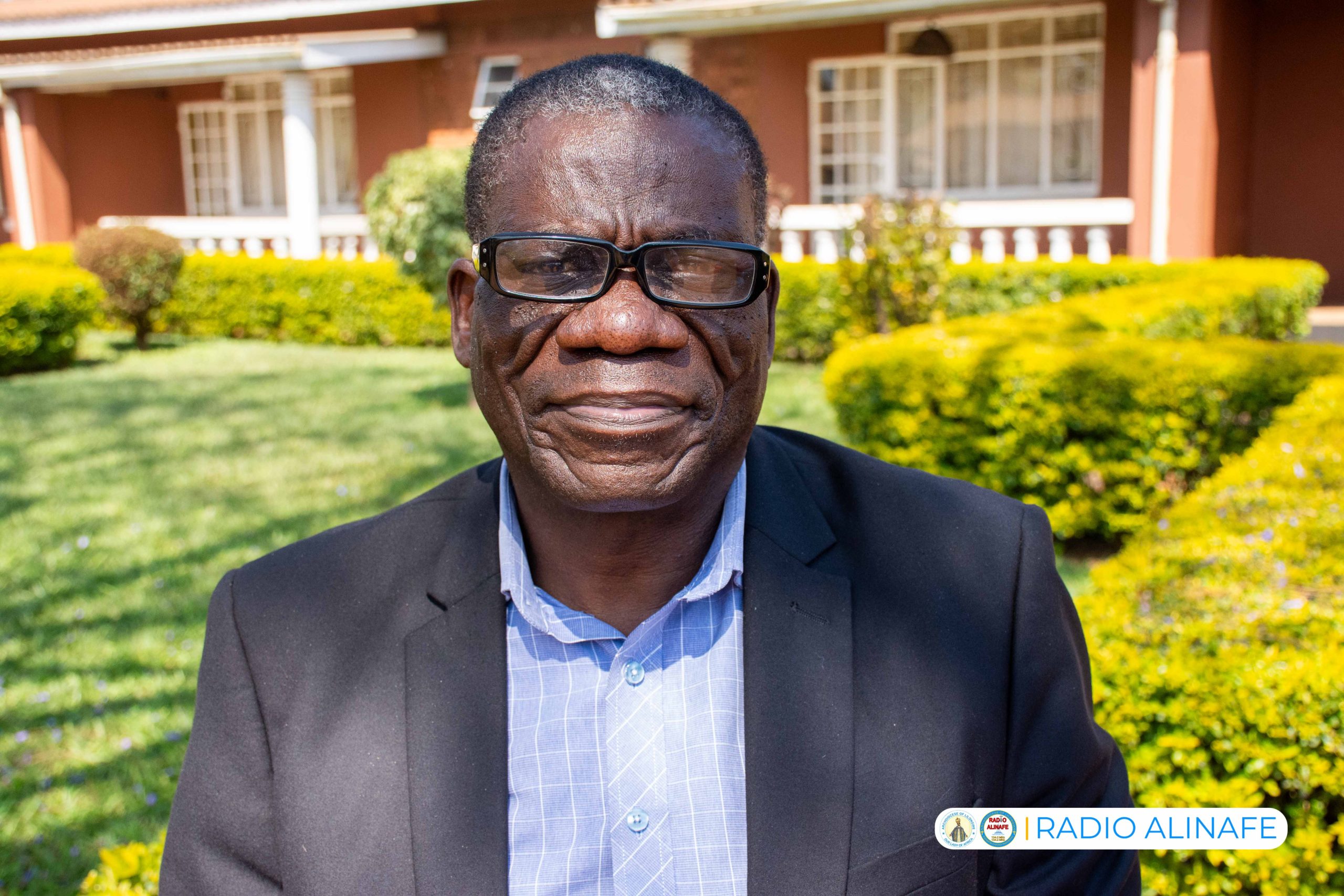
“It is not enough to say we have done this or we have done that; we must ask what positive impact have taken place.”

He added that participants at the meeting also agreed that departments should begin documenting best practices and success stories, including providing photographs and other evidence of activities carried out.
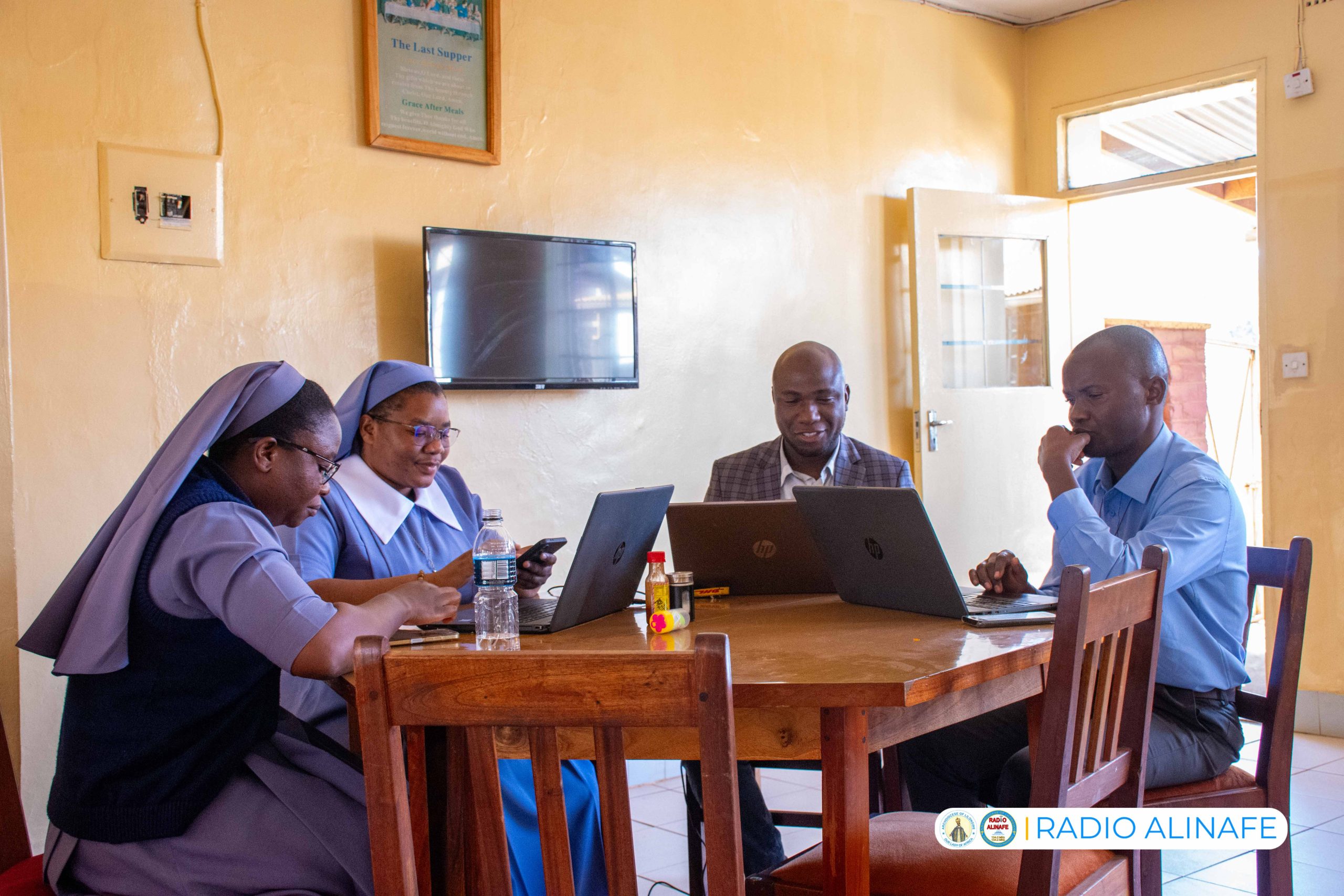
Mapemba further said the meeting emphasized the importance of making planning and review a continuous process within departments.

He noted that departmental heads should hold regular internal review meetings throughout the year instead of waiting until the annual or mid-year review sessions.
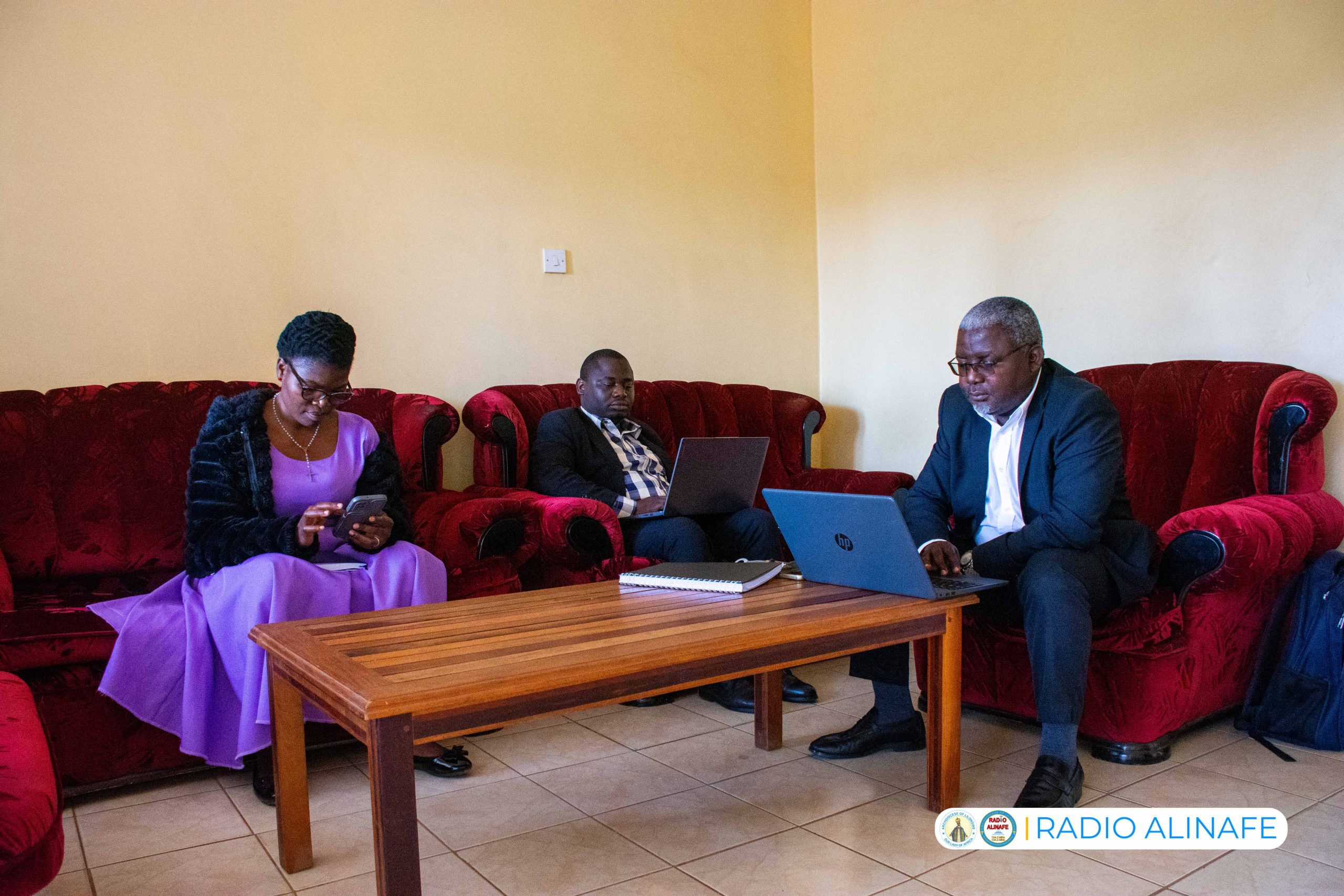
“Between January and June, departments should meet regularly to review how they are progressing with their work plans. Planning and review should not be an event; it should become part of the culture of the archdiocese.”
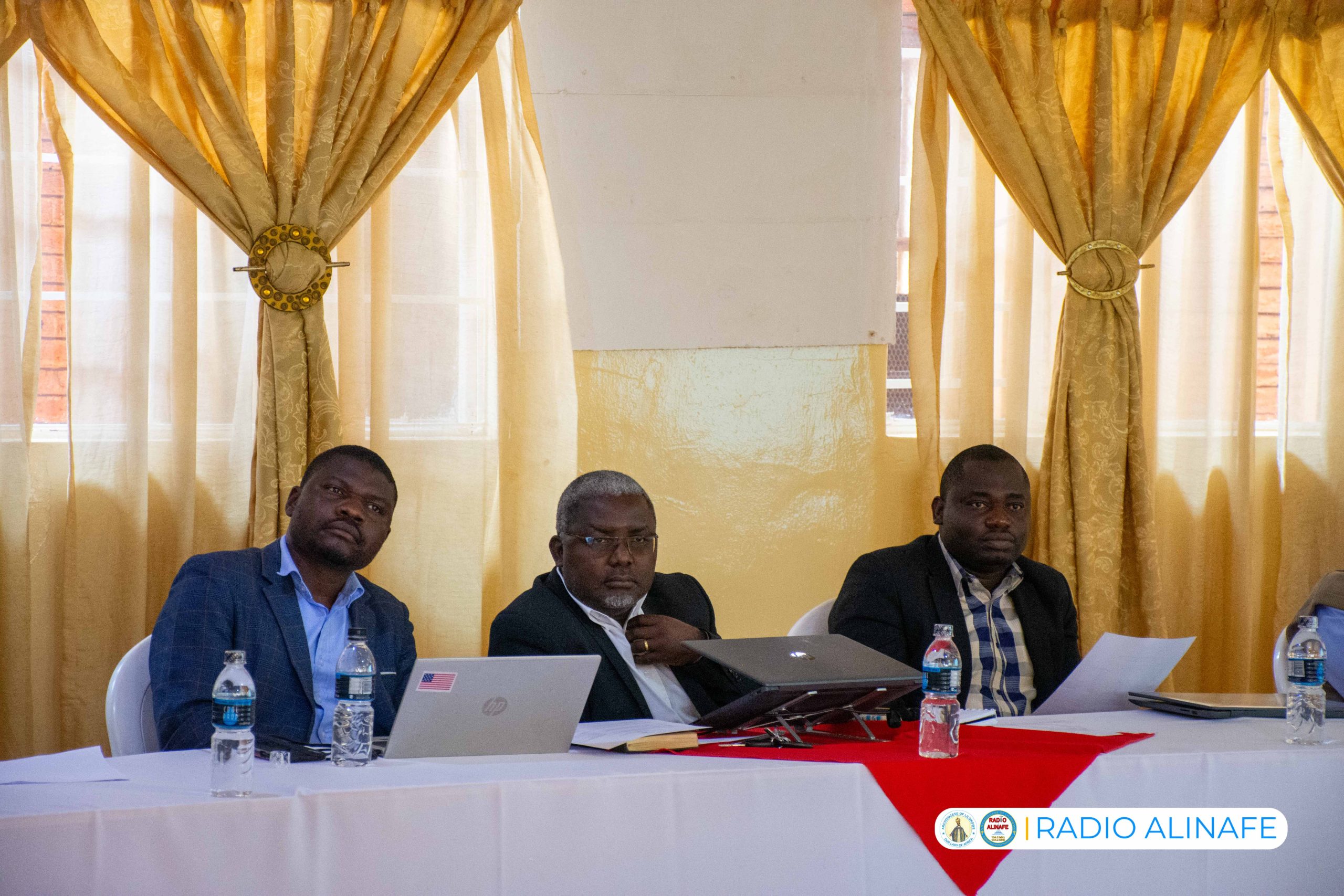
The Pastoral Coordinator of the Catholic Archdiocese of Lilongwe, Fr Frank Phiri, says the Pastoral Department has made remarkable progress during the first half of the year and remains committed to improving its work in the remaining months.
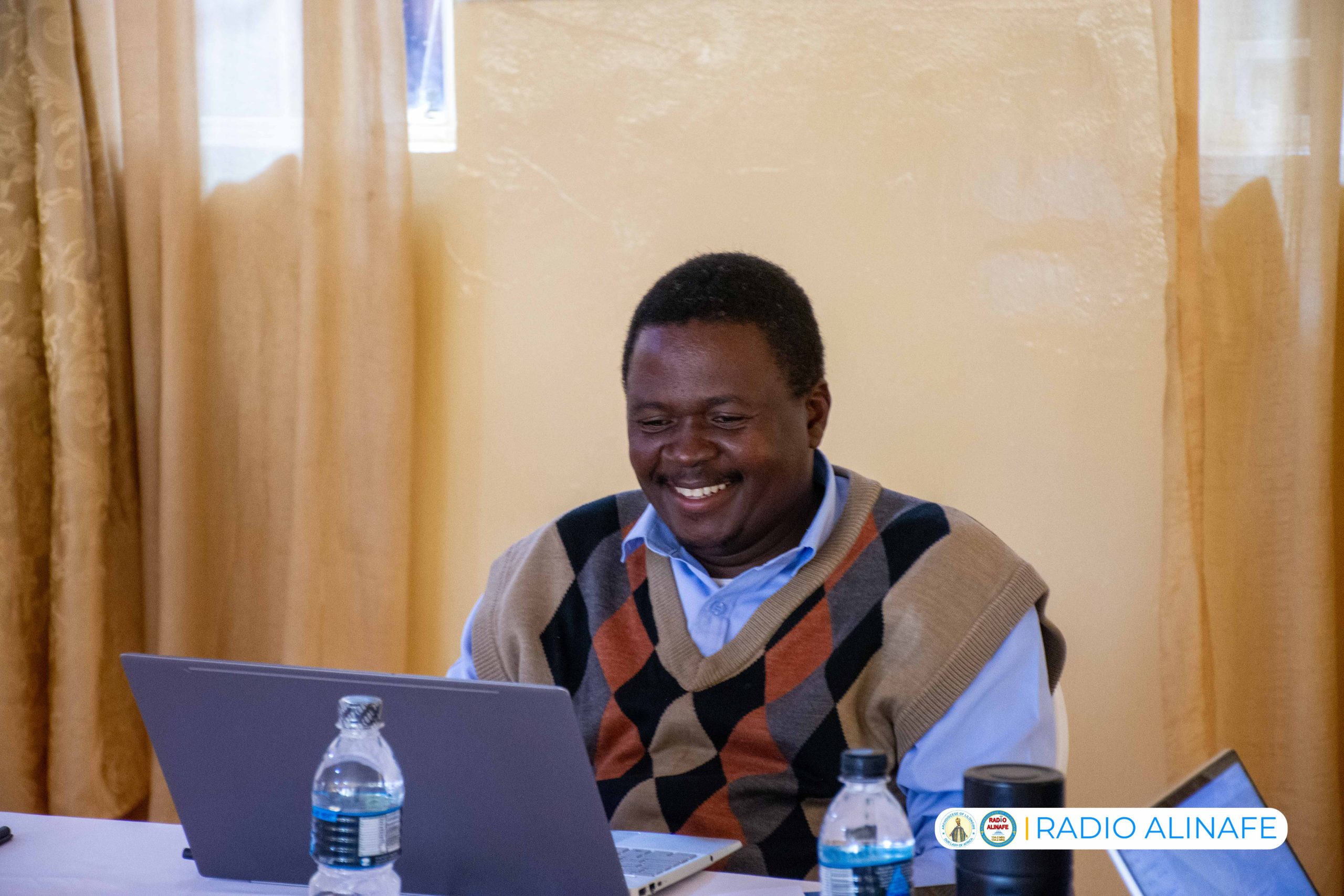
“From our side, we think we have done the best we could, and we believe the results speak for themselves.”

According to Fr Phiri, the Pastoral Department works closely with many other departments within the archdiocese, making collaboration an important part of its ministry.
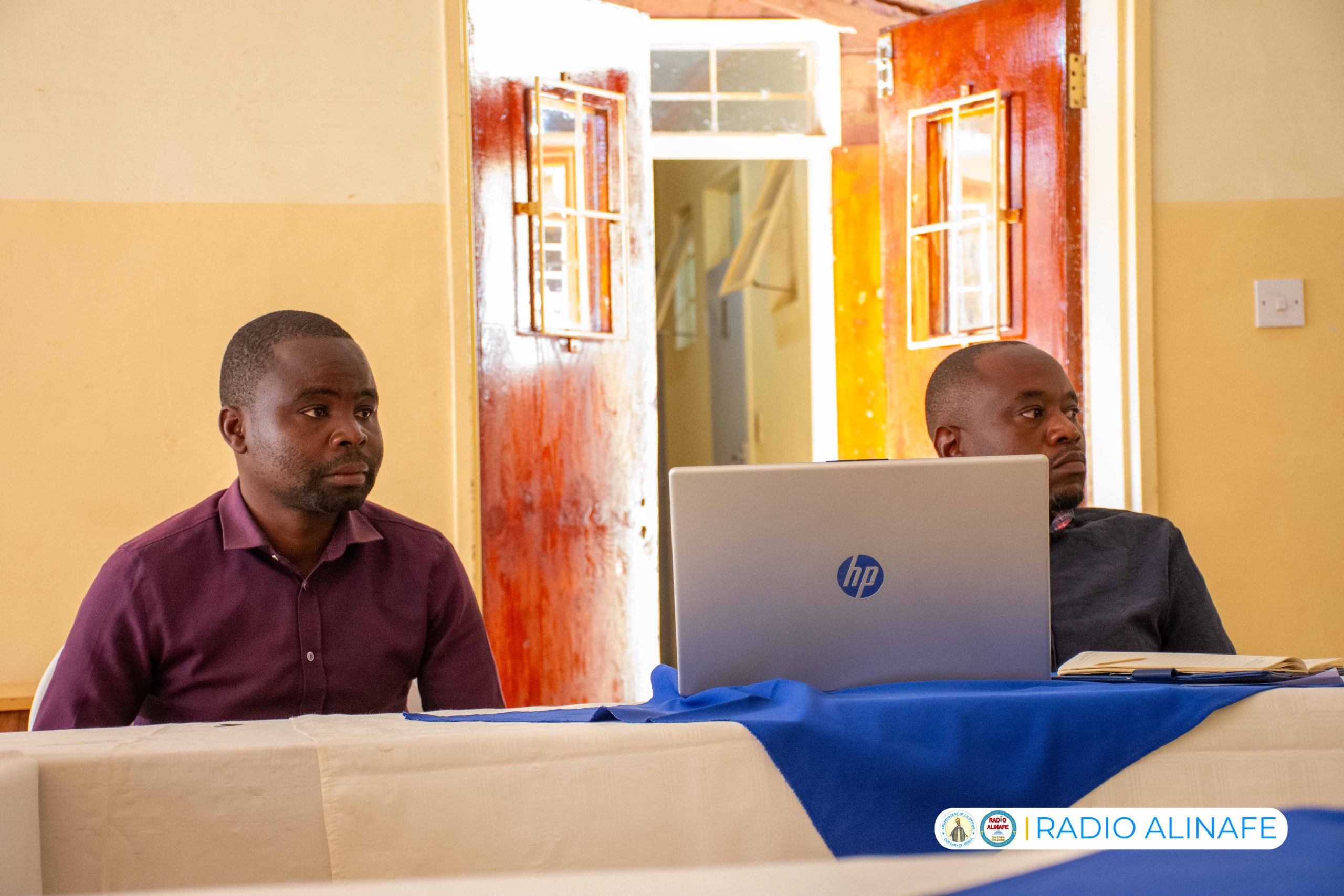
He attributed the department’s achievements not only to the efforts of its staff but also to God’s guidance throughout the process.

At the meeting, Bishop Vincent Mwakhwawa, Auxiliary of the Archdiocese stressed that bringing all departments together allows members to understand how each office is performing and creates room for better cooperation.
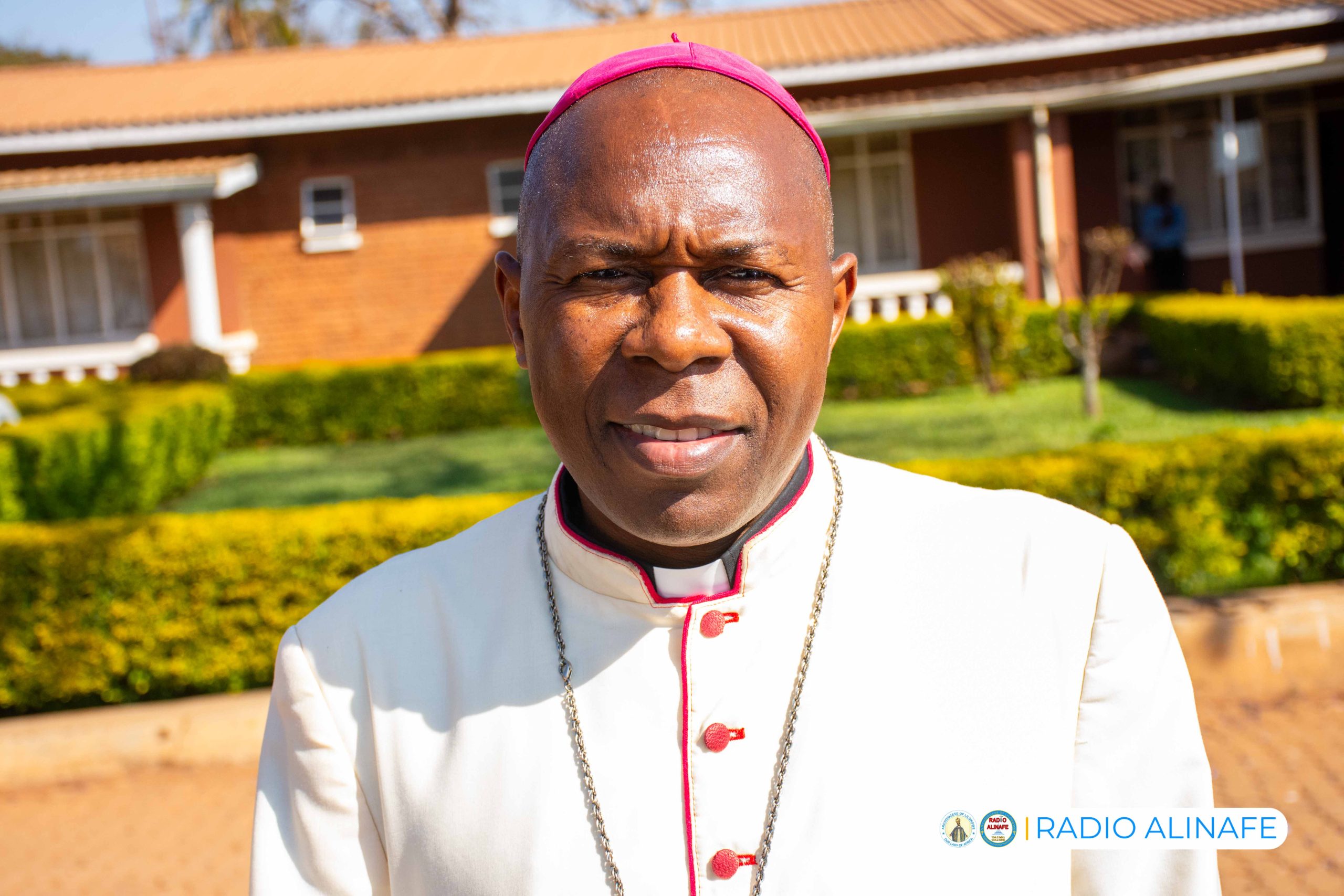
“Close coordination reduces the time and resources spent and increases the impact of our work.”

The mid-year review meeting brought together heads of departments, commissions, and social entities of the Catholic Archdiocese of Lilongwe to assess progress made during the first half of 2026 and plan for the remaining months of the year.

Reported by Lester Mhone
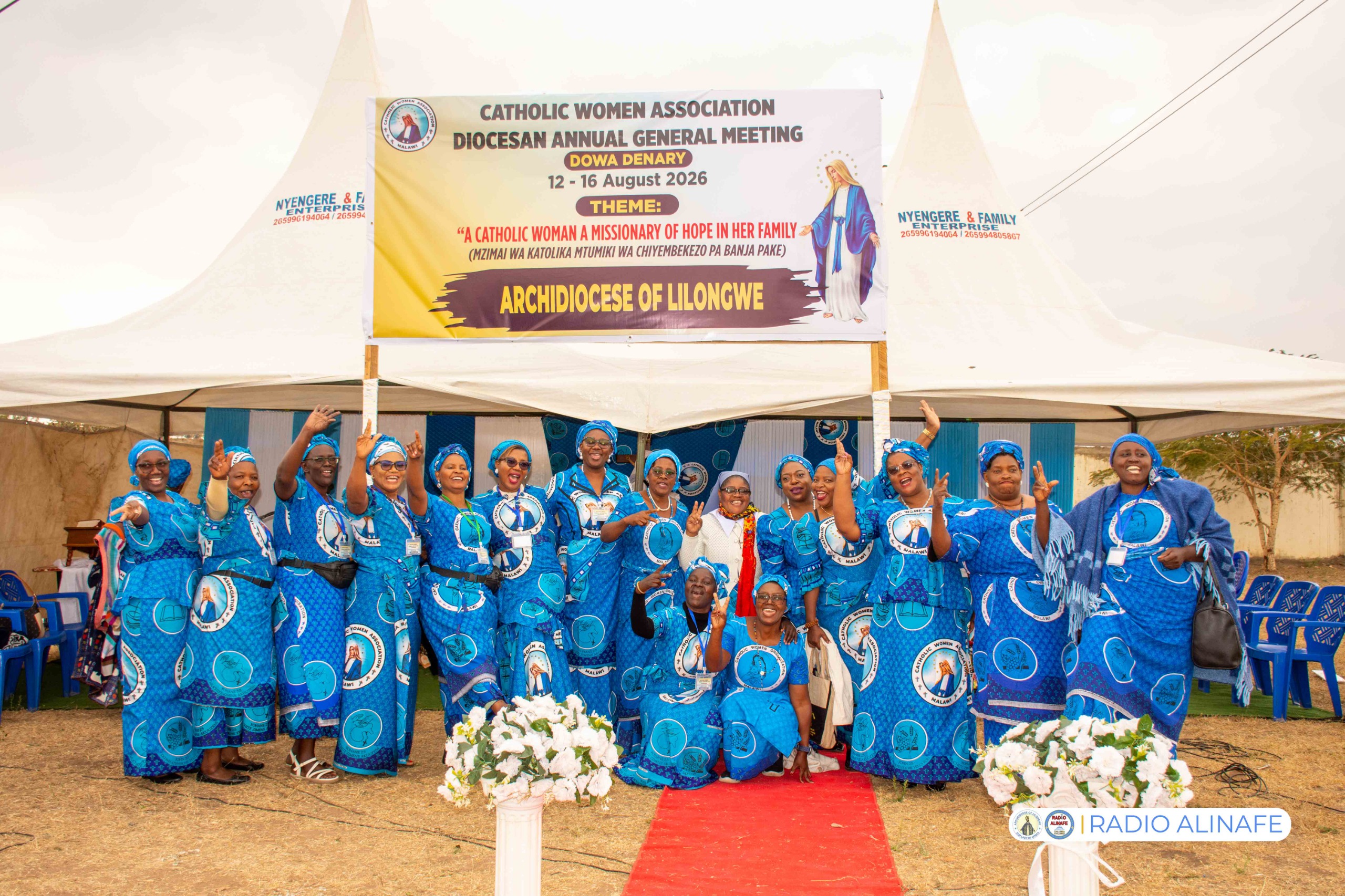
Catholic Women Urged to Take Lead in Church’s Mission

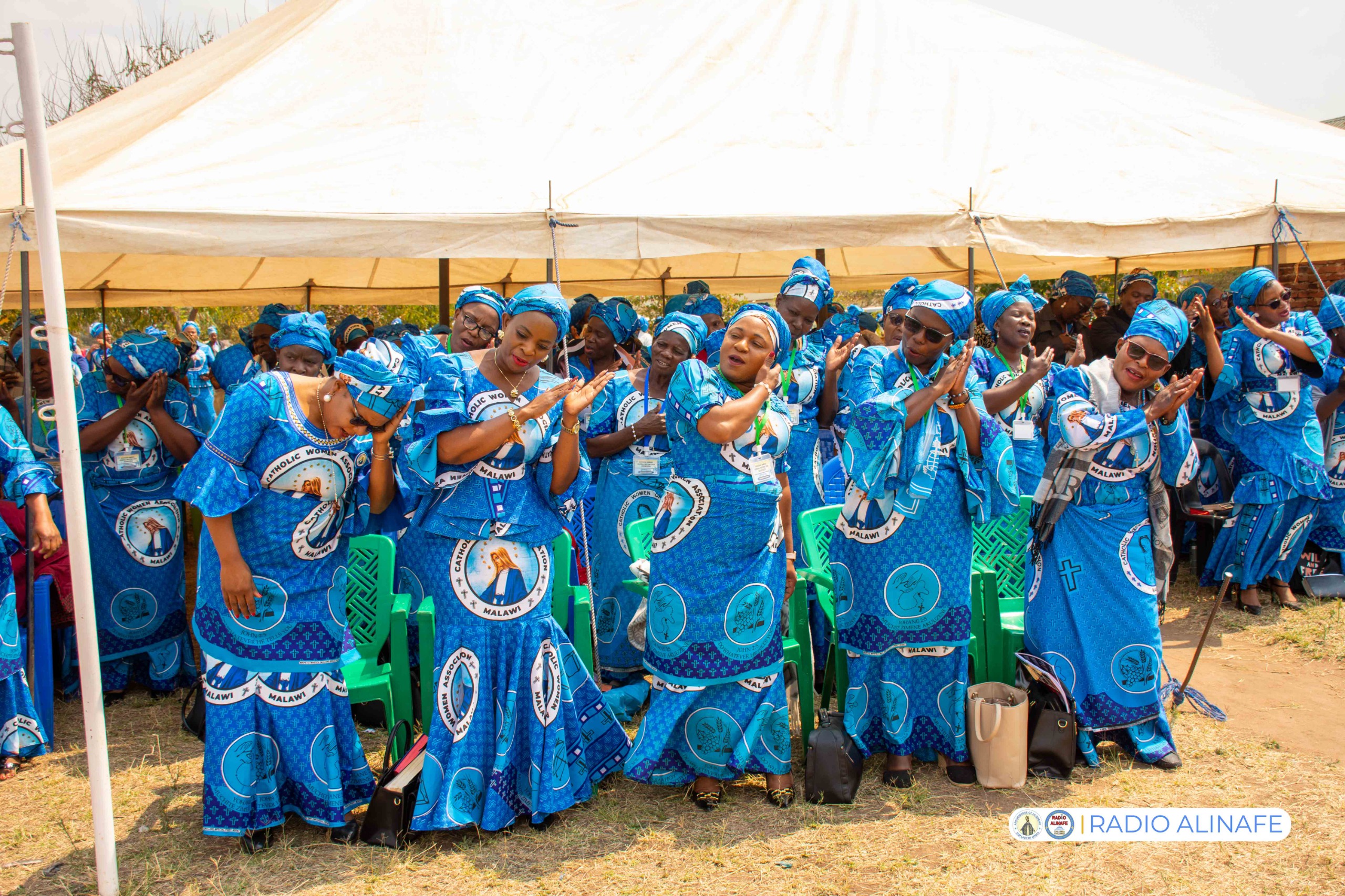
Catholic women in the Archdiocese of Lilongwe have been challenged to take the lead in the mission of the Church, as God has gifted them with compassion, responsibility and the ability to nurture life.

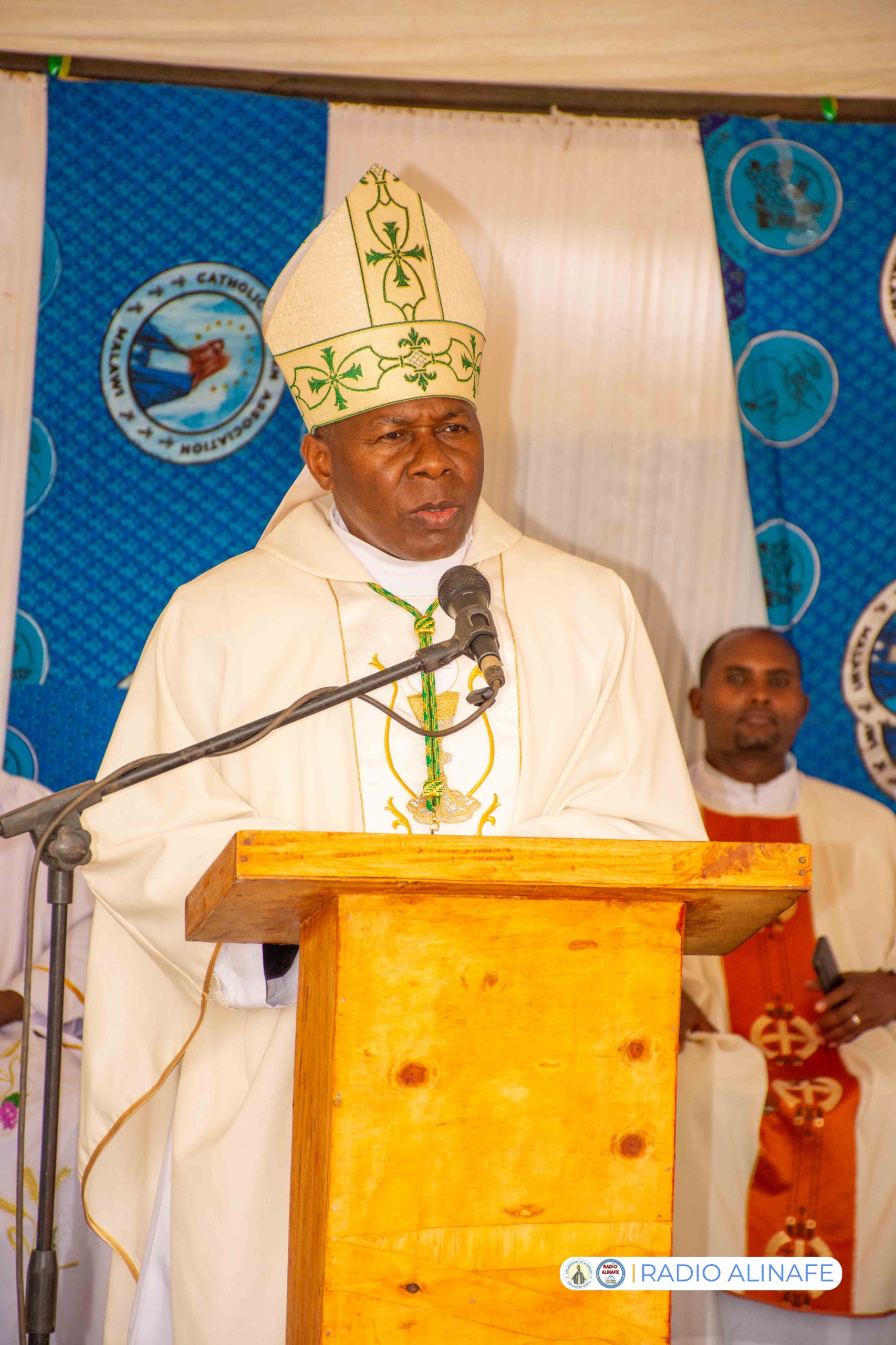
The call has been made by the Auxiliary Bishop of the Archdiocese, Vincent Mwakhwawa, during the official opening of the Archdiocesan Catholic Women Association (CWA) Annual General Meeting at St Peter’s Girls Secondary School in Dowa Deanery.

Bishop Mwakhwawa said women have a unique calling from God, just like Mother Mary, to be a mission of hope.

“A Catholic woman, by her nature, is called by God with a unique calling, just like Mother Mary, to be a mission of hope,” said Bishop Mwakhwawa.

The Auxiliary Bishop also called on the women to deepen their prayer life and become proclaimers of the Gospel by providing proper formation to children and young people.

“The first mission obligation of a Catholic woman is at home, in the community and in the family. So I call upon CWA to deepen their life of prayer, commit themselves to praying to Jesus Christ and ask Mother Mary to intercede for them, their families and the whole world,” he said.

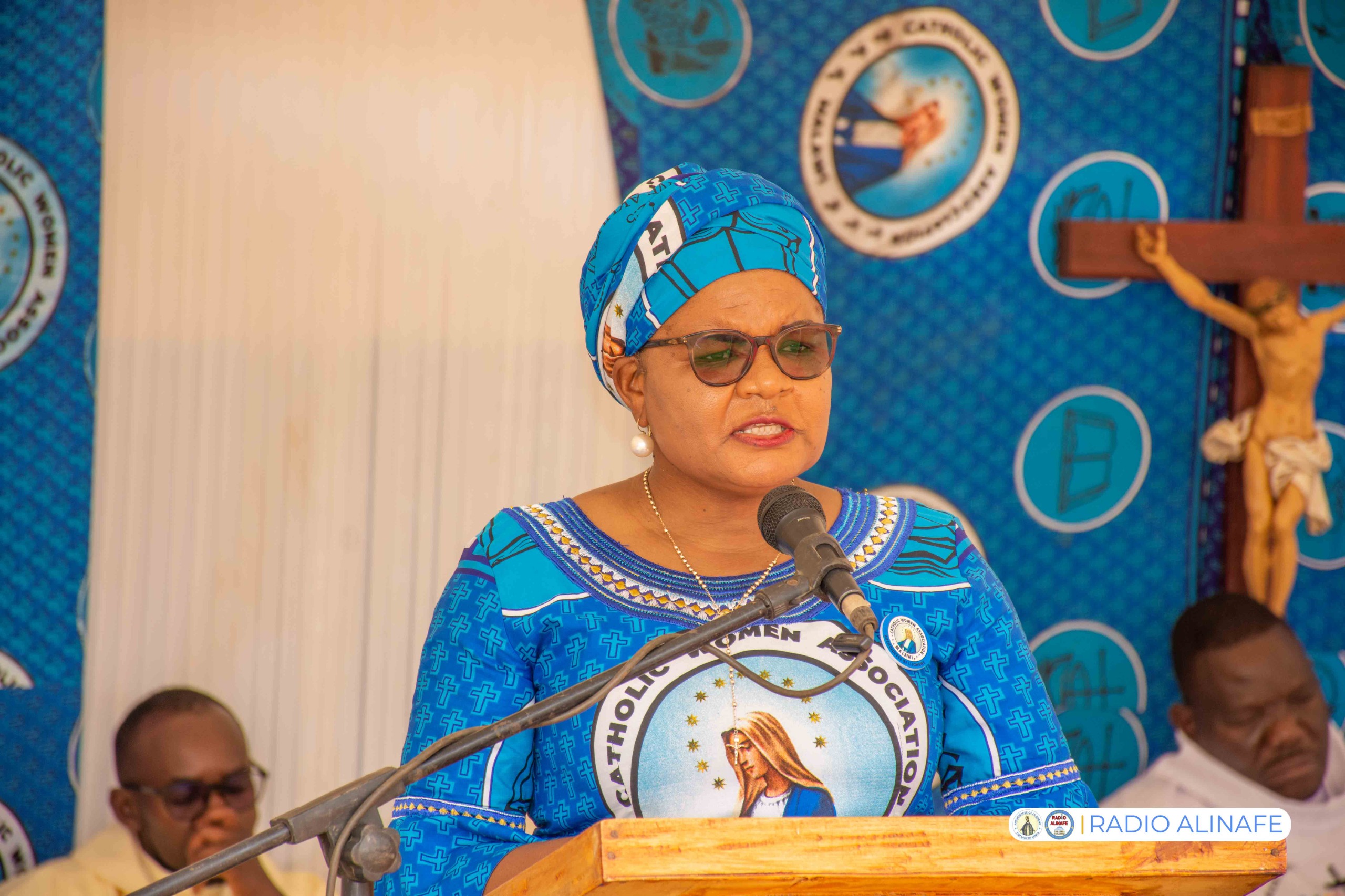
In her remarks, CWA Chairlady in the Archdiocese, Louisa Kamwaza, thanked Bishop Mwakhwawa for the message and said the meeting would focus on ways of strengthening women, their homes and their spiritual lives.

“Our programme includes almost everything that is needed for women to be strong in faith and also be okay mentally. We will try our best to learn and share with our families so that we can be true leaders,” Kamwaza said.

One of the women attending the AGM, Patricia Banda from Mponera Parish, said she is looking forward to gaining experience and ideas that would help her grow spiritually and learn proper ways of raising her family.

The theme of the 2026 CWA Annual General Meeting is: “A Catholic Woman: A Mission of Hope in Her Family.”

Reported by Tiyamike Paul Chisale

Synodality Workshop Strengthens Unity in the Catholic Church in Malawi.

A two-day workshop on Synod and Synodality and Integral Human Development was held from May 27–28, 2026, in the Catholic Archdiocese of Lilongwe. The event, organized by the Association of Episcopal Conferences of Eastern Africa (AMECEA-PIHD), provided an opportunity to reflect and discuss how the Catholic Church is living out synodality as one family.

In his address, Bishop Yohane Nyirenda of Mzuzu Diocese, President of the Catholic Commission for Justice and Peace (CCJP) and Research and Communications under the Malawi Conference of Catholic Bishops (MCCB), emphasized the importance of unity among Christians in strengthening the mission of the Church.

Bishop Nyirenda of Mzuzu diocese

“Synodality is very important. Synodality is central to the mission of the Church. Each member must take an active role according to the gifts God has given them, and in so doing, the Church can grow,” Bishop Nyirenda said.

He highlighted the example of the missionaries who established the Catholic Church in Malawi, noting that they embodied synodality in their work.

Bishop Nyirenda also stressed the importance of participating in Small Christian Communities, describing them as the starting point for collective action among Catholics.

Father Dr. Paul Igweta from Kenya, Coordinator of Integral Human Development at AMECEA-PIHD, expressed satisfaction with the workshop. He said the meeting fostered deep reflection and offered hope for the future of the Catholic Church in Malawi, both spiritually and socially.

Fr. Dr. Paul Igweta AMECEA Integral human development coordinator

“We now expect that those who attended this workshop will begin training others on synodality in all parishes across Malawi, so that everyone understands its importance in our Catholic Church,” Father Igweta explained.

Fr Igweta during first day workshop

Lewis Msiyadungu, National CCJP Coordinator in Malawi, affirmed that the discussions will be put to good use to ensure the Church continues to act in unity.

Lewis Msiyadungu CCJP national coordinator

The workshop addressed key issues including Integral Human Development, Populorum Progressio, Human Dignity, and the Church’s holistic mission.

At its conclusion, participants developed an action plan to strengthen synodality in the Catholic Church in Malawi and how best they can implement the synod.

The two-day gathering brought together representatives from Catholic commissions and Catholic media houses, focusing on practical ways to implement synodality in the country.

By Titus Jata Phiri

Archdiocese of Lilongwe and St. John of God Partner for Three-Year Mental Health Initiative

The Catholic Archdiocese of Lilongwe, in collaboration with St. John of God, has reaffirmed its commitment to reaching marginalized rural communities struggling with mental health challenges.


The commitment has been made today by the Auxiliary Bishop of Lilongwe, His Lordship Vincent Mwakhwawa following the successful launch of the three-year “Me-Health” project.


Bishop Mwakhwawa touring pavillions with other invited guests


The initiative aims to integrate mental health services into the primary healthcare systems of Archdiocesan health facilities.


Funded by the Episcopal Conference of Italy, the project will be implemented across three deaneries of Dowa (Mtengowanthenga and Chezi), Mchinji (Guillime and Ludzi) and in Lilongwe (Namitete, Nambuma, and Mlale).


Speaking during an interview, Bishop Mwakhwawa expressed hope that the project will raise awareness in rural areas noting that many villagers still experience stigma, failing to recognize that those with mental health conditions deserve the same dignity as any other person.


The Bishop also emphasized that the project focuses on knowledge sharing, a strategy designed to ensure the services remain sustainable long after the initial three-year implementation period ends.


Bishop Mwakhwawa, the problem in Malawi is that people do not recognise that they have these problems


His Lordship extended his gratitude to the Conference of the Catholic Bishops of Italy for their generous support towards the success of the project.


The event commenced with the Eucharistic Celebration, presided over by Bishop Vincent Mwakhwawa.


Chief Executive Officer of St. John of God Hospital, Dr. Charles Masulani, said the hospital intends to increase the accessibility of mental health services while bridging the gap in human resource capital specialized in psychiatric care.


Dr Masulani, we want to increase mental health service accessibility


Representing the Ministry of Health and Sanitation, Madalitso Makhalira thanked the Catholic Church for its dedication to assisting the government in reducing healthcare challenges, citing the Me-Health project as a model of effective partnership.


Makhalira, we are great full for the partnership


Senior Chief Chiseka highlighted the importance of mental health support for traditional leaders, noting that such assistance is vital for chiefs to exercise their duties with integrity.


TA Chiseka, Chiefs also need mental health services


The Me-Health project has been officially launched today, April 16, 2026, at Mlale Community Hospital. The initiative is slated to run for three years.


Archdiocese of Lilongwe Enhances Financial Transparency Through Parish Bookkeeper Training

The Catholic Archdiocese of Lilongwe has expressed its commitment to managing finances collectively, accountably, and transparently as one family.

The Pastoral Coordinator of the Archdiocese of Lilongwe, Fr. Frank Lazalo Phiri, made the commitment today, 09th March 2026, during the opening of a five-day training session for parish bookkeepers at the Msamba Catholic Conference Centre in Lilongwe.

Fr. Phiri highlighted that, according to the laws of the Archdiocese, parishes must be accountable and transparent in their financial management.

Fr. Phiri, the Archdiocesan Pastoral Coordinator

He also mentioned that this initiative builds trust with donors and those who provide financial support, ensuring there is no speculation regarding how funds are managed.

“Let me indicate that this has the potential of bringing trust to those who assist the church with their finances,” Fr. Phiri added.

In her remarks, the Archdiocesan Financial Administrator, Sister Dorice Tembo, described the training as a milestone for financial management within the Archdiocese.

Sr. Tembo said the bookkeepers will now be fully equipped with the skills needed to manage finances.

Sr. Dorice Tembo
Sr. Dorice Tembo

“The training will help the bookkeepers to acquire the needed knowledge on the management of finances,” Sister Doris added.

Fr. Maxwell Kubalasa, one of the facilitators, highlighted that as the mission of the church is to preach the word of salvation but also requires finances to run its daily activities, there is a need to empower those involved in finance in order to fulfill its mission.

Fr. Kubalasa
Fr. Kubalasa

Fr. Kubalasa is confident that at the end of the training, the participants will have gained the required knowledge on how best they can manage the finances.

Fr Kubalasa training bookeepers on how to records financial reports
Fr. Kubalasa training bookeepers on how to record financial reports

“This will largely help in managing the finances of the parishes,” Fr. Kubalasa added.

One of the participants, Mr. Peter Mukali from St. Kizito’s Parish (Chigoneka), applauded the Archdiocese of Lilongwe for organizing the session.

Mr. Mukali said the training will help them work in accordance with Church laws and produce accurate financial reports.

Mr. Mukali
Mr. Mukali

“Let me applaud the Archdiocese for the gesture, as this will help us to work according to the laws of the Archdiocese of Lilongwe,” he added.

Contributors: Titus Jata Phiri and Peter Dumayo

Archbishop Tambala Urges Consecrated Persons to Remain Hopeful and Faithful in Their Vocation

The Catholic Archdiocese of Lilongwe today, 07 February 2026 has celebrated the Day for the Consecrated with a Eucharistic celebration led by Archbishop Most Reverend George Desmond Tambala, OCD, who encouraged priests, brothers, and sisters to persevere in their vocation even when faced with life’s challenges.

In his homily, Archbishop Tambala reflected on the Gospel of the Presentation of the Lord, highlighting Simeon and Anna as examples of patience, faith, and commitment. He reminded consecrated persons that their calling involves a lifelong journey of waiting and trust in God.

Archbishop Tambala sharing homily

“We wait not for a specific thing, but for a person, for Christ,” he said, emphasizing that religious life is centered on faithful expectation rather than worldly success. Bishop Homily

The Archbishop acknowledged that such waiting is not always easy, noting that consecrated life is often tested by questions, struggles, and sacrifices. However, he urged religious men and women to remain hopeful and focused on their mission.

He cautioned against pursuing material gain or recognition, saying it is “very sad… waiting for power, waiting for money, waiting for pleasure,” instead of waiting faithfully for Christ. Bishop Homily

Archbishop Tambala further called on consecrated persons to become sources of wisdom within society, observing that today’s world is marked by “too much talk, too much noise and very little wisdom.” Bishop Homily He encouraged them to cultivate prayerful lives so that people seeking guidance can find spiritual direction through their witness.

Reflecting on Simeon’s prophetic message to Mary, the Archbishop stressed that authentic Christian discipleship includes embracing sacrifice and the Cross. “We do not preach a gospel of prosperity… We preach Christ crucified,” he said, urging consecrated persons to remain faithful even when their message is challenging.

He also reminded the congregation that each consecrated person is valuable in the mission of the Church, stating that the Archdiocese depends on their dedication and service.

Concluding his homily, Archbishop Tambala expressed gratitude for the commitment of religious men and women, encouraging them to continue living as prophetic witnesses whose lives inspire others to remain faithful to Christ.