Archdiocese of Lilongwe and St. John of God Partner for Three-Year Mental Health Initiative

The Catholic Archdiocese of Lilongwe, in collaboration with St. John of God, has reaffirmed its commitment to reaching marginalized rural communities struggling with mental health challenges.


The commitment has been made today by the Auxiliary Bishop of Lilongwe, His Lordship Vincent Mwakhwawa following the successful launch of the three-year “Me-Health” project.


Bishop Mwakhwawa touring pavillions with other invited guests


The initiative aims to integrate mental health services into the primary healthcare systems of Archdiocesan health facilities.


Funded by the Episcopal Conference of Italy, the project will be implemented across three deaneries of Dowa (Mtengowanthenga and Chezi), Mchinji (Guillime and Ludzi) and in Lilongwe (Namitete, Nambuma, and Mlale).


Speaking during an interview, Bishop Mwakhwawa expressed hope that the project will raise awareness in rural areas noting that many villagers still experience stigma, failing to recognize that those with mental health conditions deserve the same dignity as any other person.


The Bishop also emphasized that the project focuses on knowledge sharing, a strategy designed to ensure the services remain sustainable long after the initial three-year implementation period ends.


Bishop Mwakhwawa, the problem in Malawi is that people do not recognise that they have these problems


His Lordship extended his gratitude to the Conference of the Catholic Bishops of Italy for their generous support towards the success of the project.


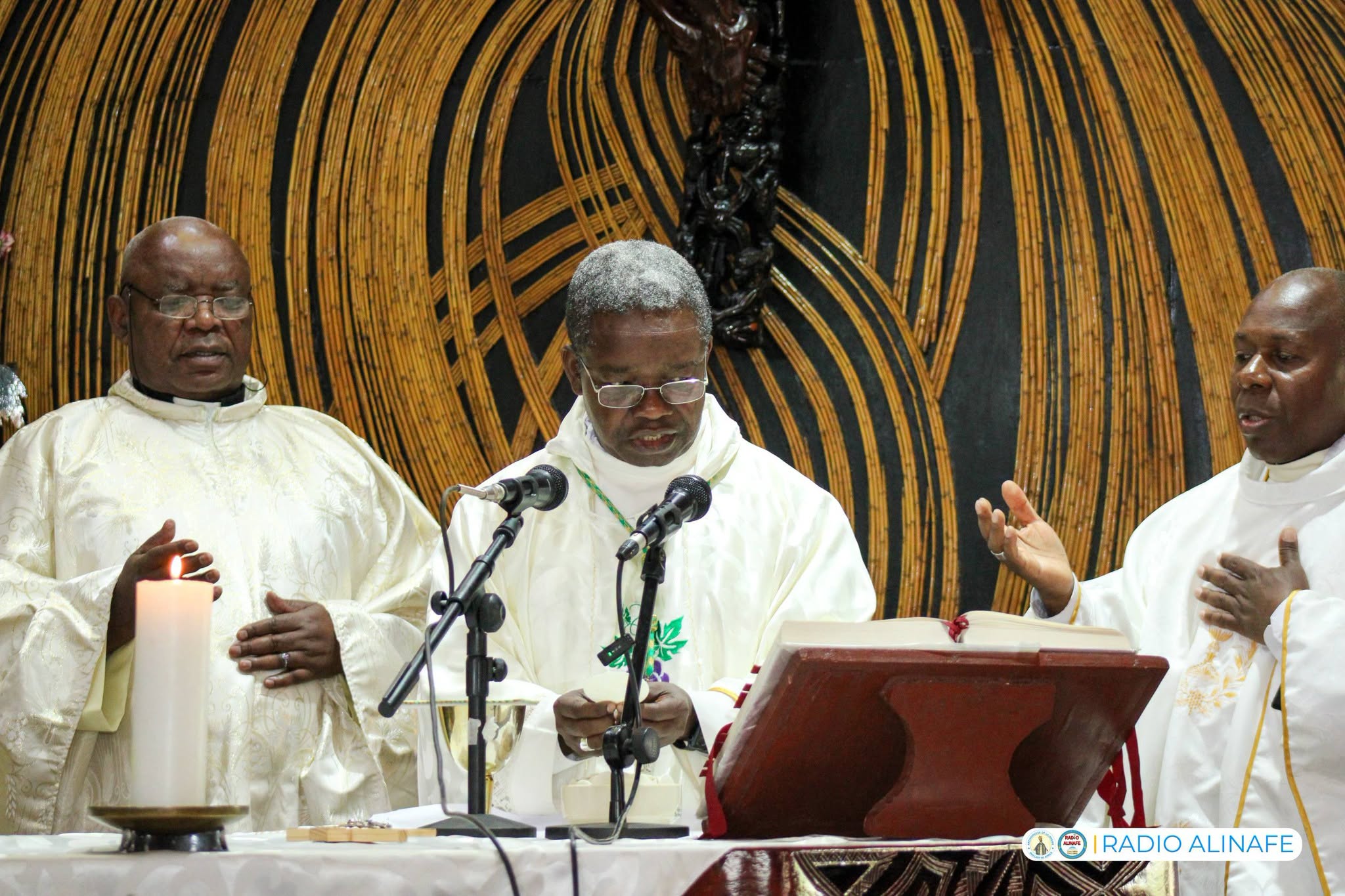
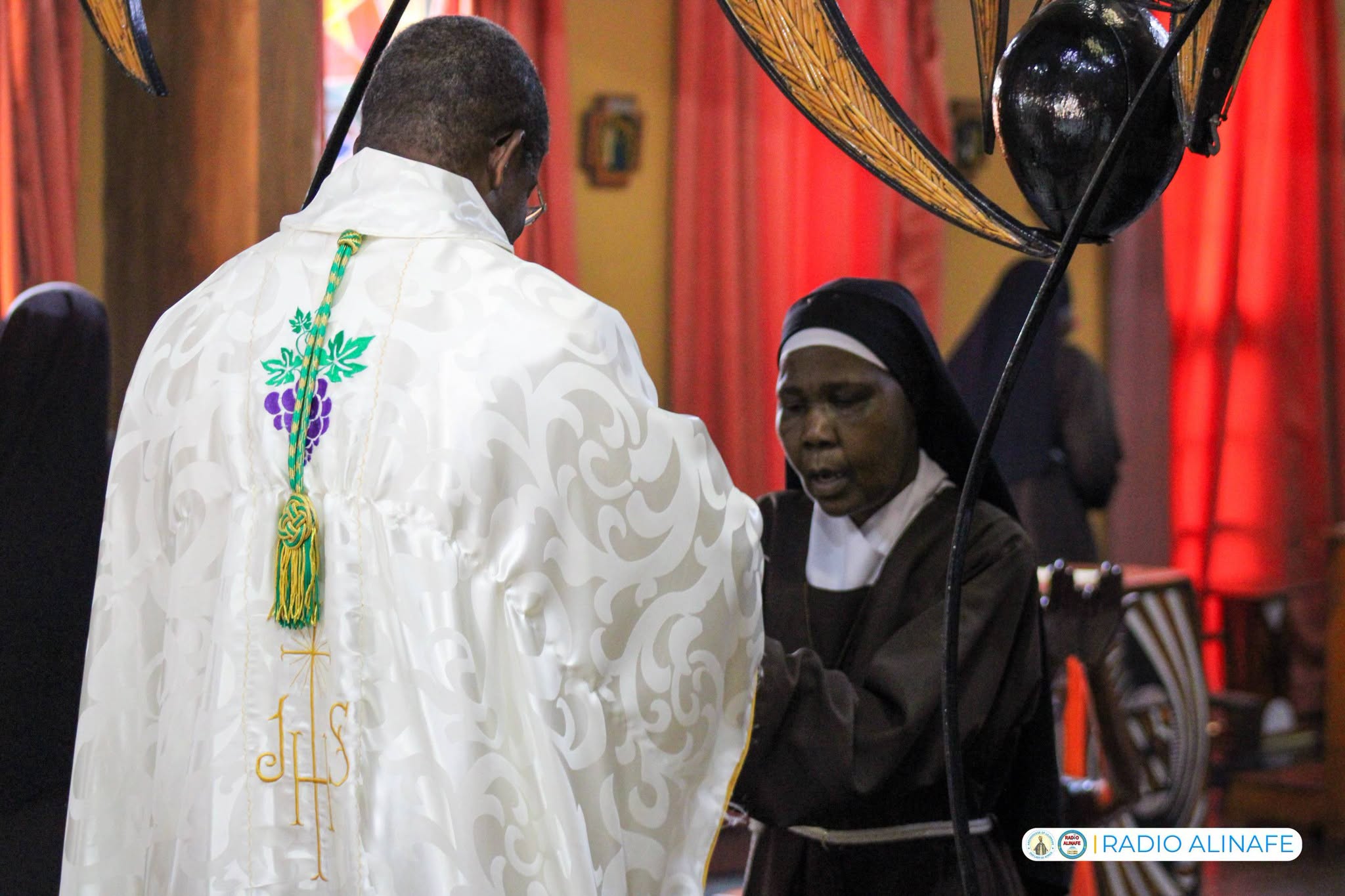
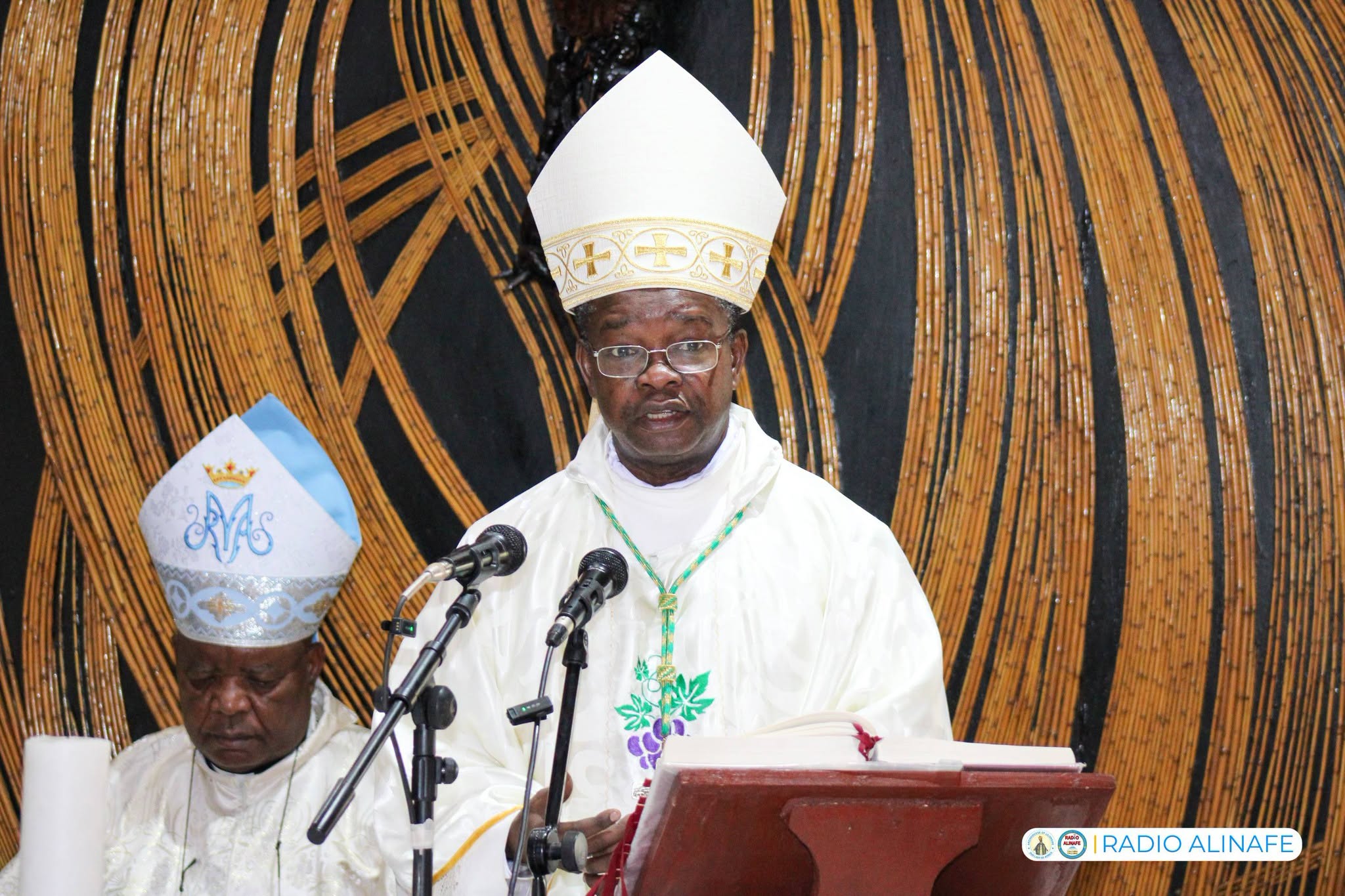
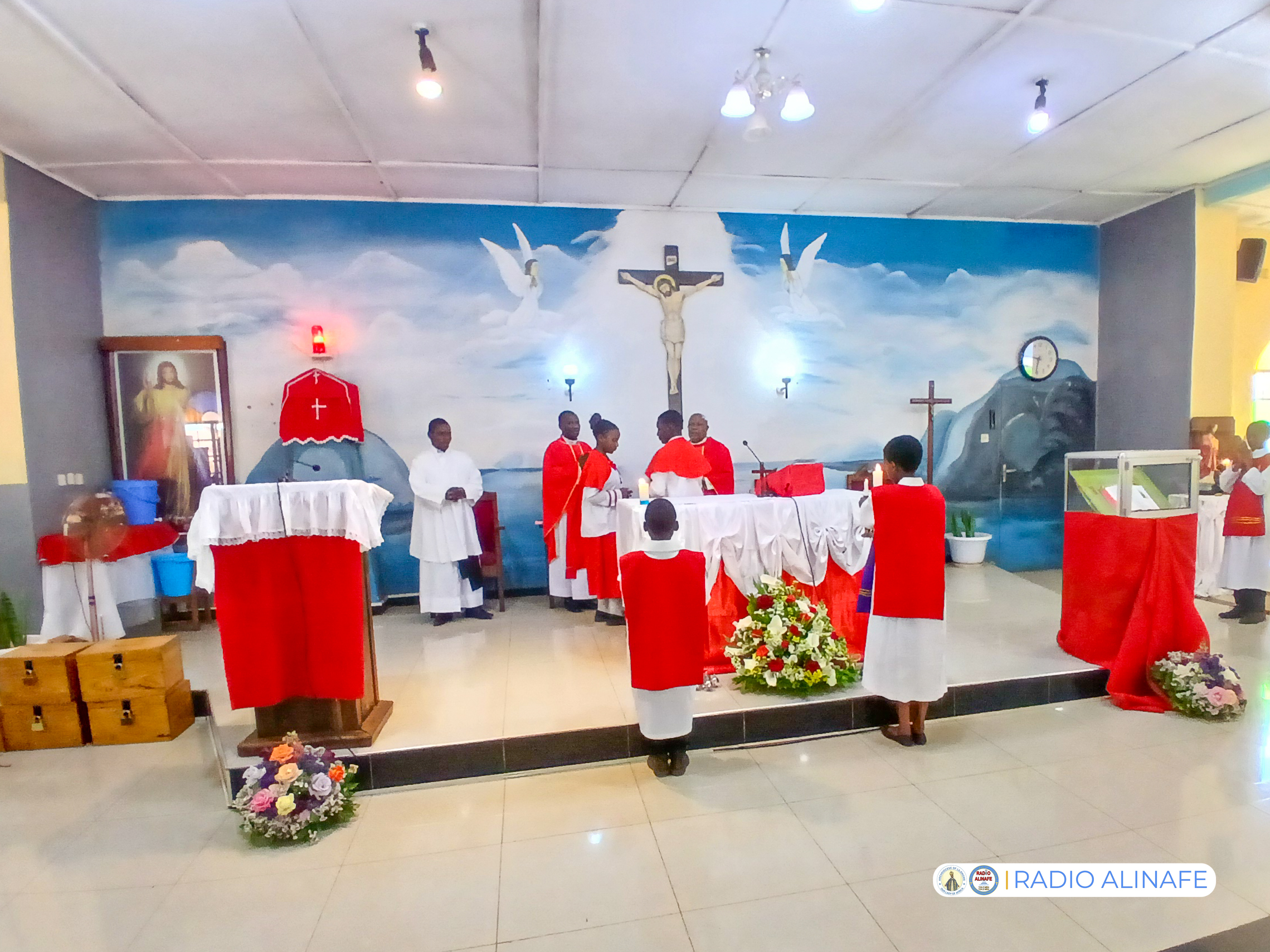
The event commenced with the Eucharistic Celebration, presided over by Bishop Vincent Mwakhwawa.


Chief Executive Officer of St. John of God Hospital, Dr. Charles Masulani, said the hospital intends to increase the accessibility of mental health services while bridging the gap in human resource capital specialized in psychiatric care.


Dr Masulani, we want to increase mental health service accessibility


Representing the Ministry of Health and Sanitation, Madalitso Makhalira thanked the Catholic Church for its dedication to assisting the government in reducing healthcare challenges, citing the Me-Health project as a model of effective partnership.


Makhalira, we are great full for the partnership


Senior Chief Chiseka highlighted the importance of mental health support for traditional leaders, noting that such assistance is vital for chiefs to exercise their duties with integrity.


TA Chiseka, Chiefs also need mental health services


The Me-Health project has been officially launched today, April 16, 2026, at Mlale Community Hospital. The initiative is slated to run for three years.


Archdiocese of Lilongwe Enhances Financial Transparency Through Parish Bookkeeper Training

The Catholic Archdiocese of Lilongwe has expressed its commitment to managing finances collectively, accountably, and transparently as one family.

The Pastoral Coordinator of the Archdiocese of Lilongwe, Fr. Frank Lazalo Phiri, made the commitment today, 09th March 2026, during the opening of a five-day training session for parish bookkeepers at the Msamba Catholic Conference Centre in Lilongwe.

Fr. Phiri highlighted that, according to the laws of the Archdiocese, parishes must be accountable and transparent in their financial management.

Fr. Phiri, the Archdiocesan Pastoral Coordinator

He also mentioned that this initiative builds trust with donors and those who provide financial support, ensuring there is no speculation regarding how funds are managed.

“Let me indicate that this has the potential of bringing trust to those who assist the church with their finances,” Fr. Phiri added.

In her remarks, the Archdiocesan Financial Administrator, Sister Dorice Tembo, described the training as a milestone for financial management within the Archdiocese.

Sr. Tembo said the bookkeepers will now be fully equipped with the skills needed to manage finances.

Sr. Dorice Tembo
Sr. Dorice Tembo

“The training will help the bookkeepers to acquire the needed knowledge on the management of finances,” Sister Doris added.

Fr. Maxwell Kubalasa, one of the facilitators, highlighted that as the mission of the church is to preach the word of salvation but also requires finances to run its daily activities, there is a need to empower those involved in finance in order to fulfill its mission.

Fr. Kubalasa
Fr. Kubalasa

Fr. Kubalasa is confident that at the end of the training, the participants will have gained the required knowledge on how best they can manage the finances.

Fr Kubalasa training bookeepers on how to records financial reports
Fr. Kubalasa training bookeepers on how to record financial reports

“This will largely help in managing the finances of the parishes,” Fr. Kubalasa added.

One of the participants, Mr. Peter Mukali from St. Kizito’s Parish (Chigoneka), applauded the Archdiocese of Lilongwe for organizing the session.

Mr. Mukali said the training will help them work in accordance with Church laws and produce accurate financial reports.

Mr. Mukali
Mr. Mukali

“Let me applaud the Archdiocese for the gesture, as this will help us to work according to the laws of the Archdiocese of Lilongwe,” he added.

Contributors: Titus Jata Phiri and Peter Dumayo

Archbishop Tambala Urges Consecrated Persons to Remain Hopeful and Faithful in Their Vocation

The Catholic Archdiocese of Lilongwe today, 07 February 2026 has celebrated the Day for the Consecrated with a Eucharistic celebration led by Archbishop Most Reverend George Desmond Tambala, OCD, who encouraged priests, brothers, and sisters to persevere in their vocation even when faced with life’s challenges.

In his homily, Archbishop Tambala reflected on the Gospel of the Presentation of the Lord, highlighting Simeon and Anna as examples of patience, faith, and commitment. He reminded consecrated persons that their calling involves a lifelong journey of waiting and trust in God.

Archbishop Tambala sharing homily

“We wait not for a specific thing, but for a person, for Christ,” he said, emphasizing that religious life is centered on faithful expectation rather than worldly success. Bishop Homily

The Archbishop acknowledged that such waiting is not always easy, noting that consecrated life is often tested by questions, struggles, and sacrifices. However, he urged religious men and women to remain hopeful and focused on their mission.

He cautioned against pursuing material gain or recognition, saying it is “very sad… waiting for power, waiting for money, waiting for pleasure,” instead of waiting faithfully for Christ. Bishop Homily

Archbishop Tambala further called on consecrated persons to become sources of wisdom within society, observing that today’s world is marked by “too much talk, too much noise and very little wisdom.” Bishop Homily He encouraged them to cultivate prayerful lives so that people seeking guidance can find spiritual direction through their witness.

Reflecting on Simeon’s prophetic message to Mary, the Archbishop stressed that authentic Christian discipleship includes embracing sacrifice and the Cross. “We do not preach a gospel of prosperity… We preach Christ crucified,” he said, urging consecrated persons to remain faithful even when their message is challenging.

He also reminded the congregation that each consecrated person is valuable in the mission of the Church, stating that the Archdiocese depends on their dedication and service.

Concluding his homily, Archbishop Tambala expressed gratitude for the commitment of religious men and women, encouraging them to continue living as prophetic witnesses whose lives inspire others to remain faithful to Christ.

Monsignor Thawale Calls for Unity, Love and Authentic Witness Among Consecrated Persons

Monsignor Dr. Patrick Thawale has urged priests, brothers, and sisters serving in the Archdiocese of Lilongwe to deepen their unity by focusing on their shared identity in Christ despite differences in congregations and charisms.

Speaking during spiritual reflections marking the Day for the Consecrated, Monsignor Thawale reminded the gathered religious that unity is rooted in Christ and should be actively nurtured within community life.

He emphasized that diversity within religious communities should be seen as a strength rather than a division, saying, “We are one in Christ. And in our differences, there’s a lot of beauty.” Msgnr Thawale said.

Monsignor Dr. Patrick Thawale addresses priests, brothers, and sisters during the World Day for Consecrated Life gathering at St. Francis Parish (Kanengo)
Monsignor Dr. Patrick Thawale addresses priests, brothers, and sisters during the World Day for Consecrated Life gathering

Monsignor Thawale also clarified that unity does not necessarily mean uniformity, cautioning that people can share practices yet lack true communion. He stressed the importance of moving beyond differences and building relationships grounded in faith, prayer, and shared mission.

Reflecting on the vocation of consecrated life, he reminded participants that their primary identity comes from baptism, noting that their common purpose is strengthened through prayer, love, humility, and participation in the sacraments.

He further encouraged consecrated men and women to know their congregations and charisms well, stating, “Know your congregation… Know your charism before we speak about embracing each other in unity.” Msgnr Thawale said.

Consecrated men and women from different congregations participate in spiritual reflections during the Day for the Consecrated

Addressing community life, Monsignor Thawale warned against behaviors that weaken unity, especially gossip and rumors, which he described as harmful to relationships and collaboration within religious communities.

He also urged members of religious life to support and pray for one another, recognizing that challenges are part of community living and can strengthen faith when handled with patience and mutual encouragement.

Highlighting love as the foundation of consecrated life, Monsignor Thawale said that love provides the direction and harmony needed for mission, explaining that without love, religious service loses its meaning and focus.

He encouraged consecrated persons to nurture their relationship with God through prayer, participation in the Eucharist, and personal reflection, while also valuing self-growth and ongoing formation through study and reading.

Monsignor Thawale concluded by reminding the gathered religious that their witness should inspire others, especially young people, by living joyfully and authentically. He urged them to make meaningful contributions within their communities, asking each to reflect on whether they are building up or weakening the life of the Church through their actions.

By Eric Norman Mkwaira

Maula Deanery CWA Plants 300 Trees at Nguluwe Primary, Championing Environmental Stewardship

The Catholic Women Association (CWA) of Maula Deanery has reaffirmed its commitment to environmental conservation by planting 300 trees at Nguluwe Primary School in Chinsapo. The initiative, which bridges the gap between spiritual duty and civic responsibility, highlights the women’s evolving role as both nurturers of families and custodians of the earth.

Joining the women in the exercise, Fr. John Kessie, Parish Priest of St. Denis, offered a profound theological reflection on the importance of the event. He noted that the initiative aligns with the biblical order of creation.

“Trees are life themselves,” Fr. Kessie remarked. “Before creating human beings, God created trees to bring us life, protection, medicine, and food. By planting these trees, these women are helping creation return to its beginning. They are doing the same work God did.”

He added that the initiative is a vital response to the widespread deforestation seen across Malawi and Africa, praising the CWA for their “very big work” in restoring the natural landscape.

Vice-Chairperson of the Maula Deanery CWA, Gloria Namondwe, explained that the decision to plant at schools is intentional. It fulfills a dual role: providing a living classroom for students and ensuring the trees’ survival.

“When we plant at a school, we are teaching pupils the importance of taking care of Mother Nature,” Namondwe said. “At the same time, the protection of these trees is guaranteed. We leave them in the hands of teachers and students who will care for them long after we return to our parishes.”

She further emphasized that this environmental drive is an extension of their identity as mothers. This aligns with the Archdiocese of Lilongwe’s current focus on “Nurturing Parenthood,” viewing the care of “Mother Earth” as a natural expansion of the care mothers provide at home.

The school’s leadership expressed deep gratitude for the donation. Headmistress Alice Rashid noted that the campus was previously lacking in greenery.

“Our campus does not have trees, and we promise to take good care of them,” Rashid said. “We will share this responsibility with the children and the surrounding community to ensure these trees reach maturity.”

This exercise is part of a consistent regional effort inspired by the World Union of Catholic Women’s Organisations (WUCWO). Supported by WUCWO board member Mrs. Jocelyn Vokhiwa, the Maula Deanery has established a strong track record:

  • 2024: 200 trees planted at a school in Kauma Township.
  • 2025: Planting at Mkwichi Primary School.
  • Ongoing: Development of the Kanyerere farm at the Archdiocese level.

As the women conclude their annual efforts, the message remains clear: caring for the environment is not just a policy, but a foundational act of faith and motherhood.

Archdiocese of Lilongwe Boosts Reforestation Efforts at Nanthomba Parish (Dowa District)

On Saturday, January 17, 2026, the Catholic Archdiocese of Lilongwe intensified its commitment to environmental stewardship by launching the second phase of its tree-planting initiative at St. Benedict the Black – Nanthomba Parish in Dowa District.

The Archdiocesan Administration representatives showcase the trees before planting at Nanthomba Parish

The event aligns with a massive national conservation drive, as Malawi aims to plant 41 million trees in 2026, with Dowa District alone targeting 2.5 million trees this season.

Leading the exercise, Sr. Dorice Anastazia Tembo, the Financial Administrator of the Archdiocese of Lilongwe, emphasized that environmental care is directly linked to the church’s economic stability.

Sr. Dorice Tembo, Financial Administrator of the Archdiocese of Lilongwe, plants a tree at Nanthomba Parish, highlighting how environmental conservation supports the financial stability of rural families

She noted that because the archdiocese relies on contributions from parishioners—most of whom are rural farmers—the health of the environment dictates the financial health of the church.

“We rely on our parishes for financial support, and many are in rural areas where farming is the primary livelihood,” Sr. Dorice explained. “Good harvests require fertile land and reliable rainfall, which are only possible if we conserve our forests. By planting trees, we are ensuring that our people can meet their targets and continue to support the mission of the Archdiocese.”

The Parish Priest of Nanthomba, Fr. Francis Sebastian, thanked the Archdiocese for its leadership and highlighted the local community’s enthusiasm. Reflecting on the Pope’s encyclical on the environment, Laudato Si’, Fr. Sebastian expressed his personal passion for reforestation.

Parish Priest Fr. Francis Sebastian joins his congregation in the fields, fulfilling the call of Laudato Si’ to care for our common home

“It pains me to see empty spaces where there were once thick forests, cut down for cultivation,” Fr. Sebastian said. “Our Christians have worked hard to prepare this land. We are encouraging them to plant trees not just here, but around their own homes to ensure they have sustainable sources of firewood and construction materials for the future.”

Lloyd Chishambula from the Eco Schools Program at the Archdiocese of Lilongwe, who helped facilitate the event, stated that the goal is to create “parish models” that other communities can emulate. The program encourages individuals to plant durable species like Mibawa (Mahogany) and Pine.

Lloyd Chishambula discusses the importance of planting Mibawa and Pine trees for future community development

“We want people to be independent,” Chishambula said. “By planting trees now, they are creating their own resources for future construction, reversing the environmental crisis one parish at a time.”

In his remarks, Andrew Chawinga, the Assistant Forestry Officer for Dowa District, highlighted the strategic importance of the archdiocese’s involvement in the region. He noted that the Church’s leadership is vital in helping local communities grasp the urgent necessity of reforestation.

Chawinga demonstrates proper planting techniques to ensure high survival rates for the new saplings

According to Chawinga, the increase in climate-related disasters—including severe floods and cyclones—is directly linked to the scarcity of trees across the country. He maintained that these environmental challenges can be effectively managed and controlled if Malawi remains committed to aggressive tree-planting efforts.

Local residents are taking a proactive role in ensuring the survival of the new saplings. Felesitiya Chunga, a member of the Banja Loyera Small Christian Community, shared that the community has learned from past challenges where survival rates were low.

  • Preparation: The community began preparing the planting site as early as October 2025.
  • Protection: Youths will be deployed to patrol the area and protect seedlings from livestock.
  • Legislation: Parishioners are engaging local chiefs to establish and enforce local bylaws to punish those who destroy the new plantations.
Felesitiya Chunga of the Banja Loyera Small Christian Community stands by the newly prepared planting site
Felesitiya Chunga stands at the planting site

“We are determined that this time, these trees will grow,” Chunga said, calling on all Small Christian Communities to put maximum effort into conserving the area.

Background: A Long-Term Vision for Environmental Restoration

The Archdiocese of Lilongwe’s environmental initiative in Dowa is a sustained effort that gained significant momentum in February 2025.

On February 1, 2025, Bishop Vincent Fredrick Mwakhwawa, the Auxiliary Bishop of Lilongwe, led a planting exercise at the area (Andros Village, T/A Chiwere). Bishop Mwakhwawa established the Church’s stance: working hand-in-hand with the government to restore the environment.

Before the trees were even planted, the Archdiocese’s Education and Environment office—led by Lloyd Chishambula—conducted community training. This ensured that parishioners didn’t just plant trees but understood why they needed to care for them.

The initiative takes place on land specifically owned by the archdiocese, demonstrating a “lead by example” approach to land management.

The project has been driven from the start by local Small Christian Communities (SCCs), including Maria Goreti, Kizito Woyera, and Banja Loyera, all under St. Benedict the Black (Nanthomba) Parish.

In 2025, the Dowa District Forestry Office (then represented by Acting Officer Yohane Mtsitsi) praised the archdiocese for helping the government meet its national restoration goals.

By Eric Norman Mkwaira