Archdiocese of Lilongwe Urges Communities to Embrace Self-Reliance Amid Changing Donor Support
The Catholic Archdiocese of Lilongwe has called on communities to strengthen self-reliance and take greater responsibility for their development amid changing trends in international donor support.
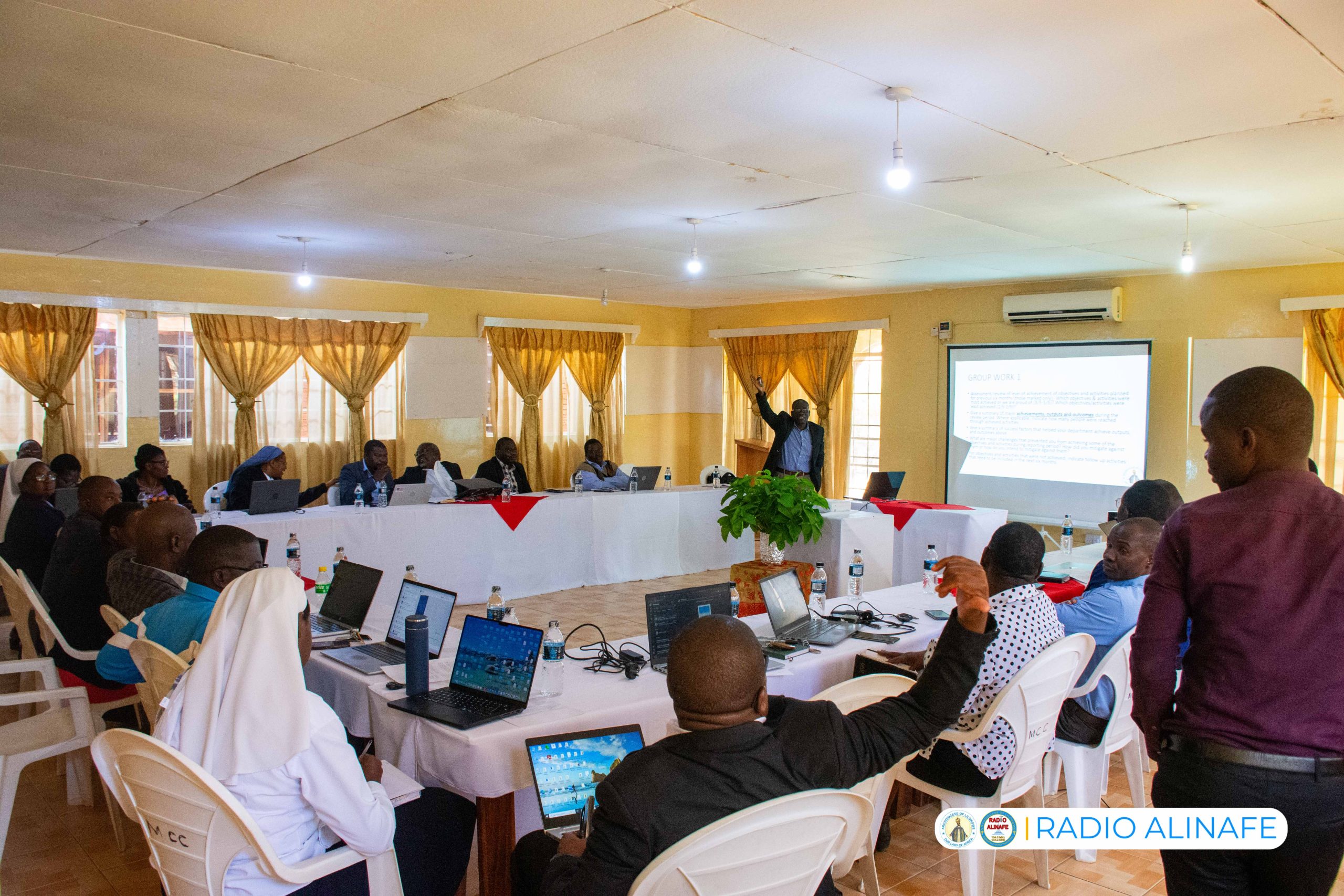
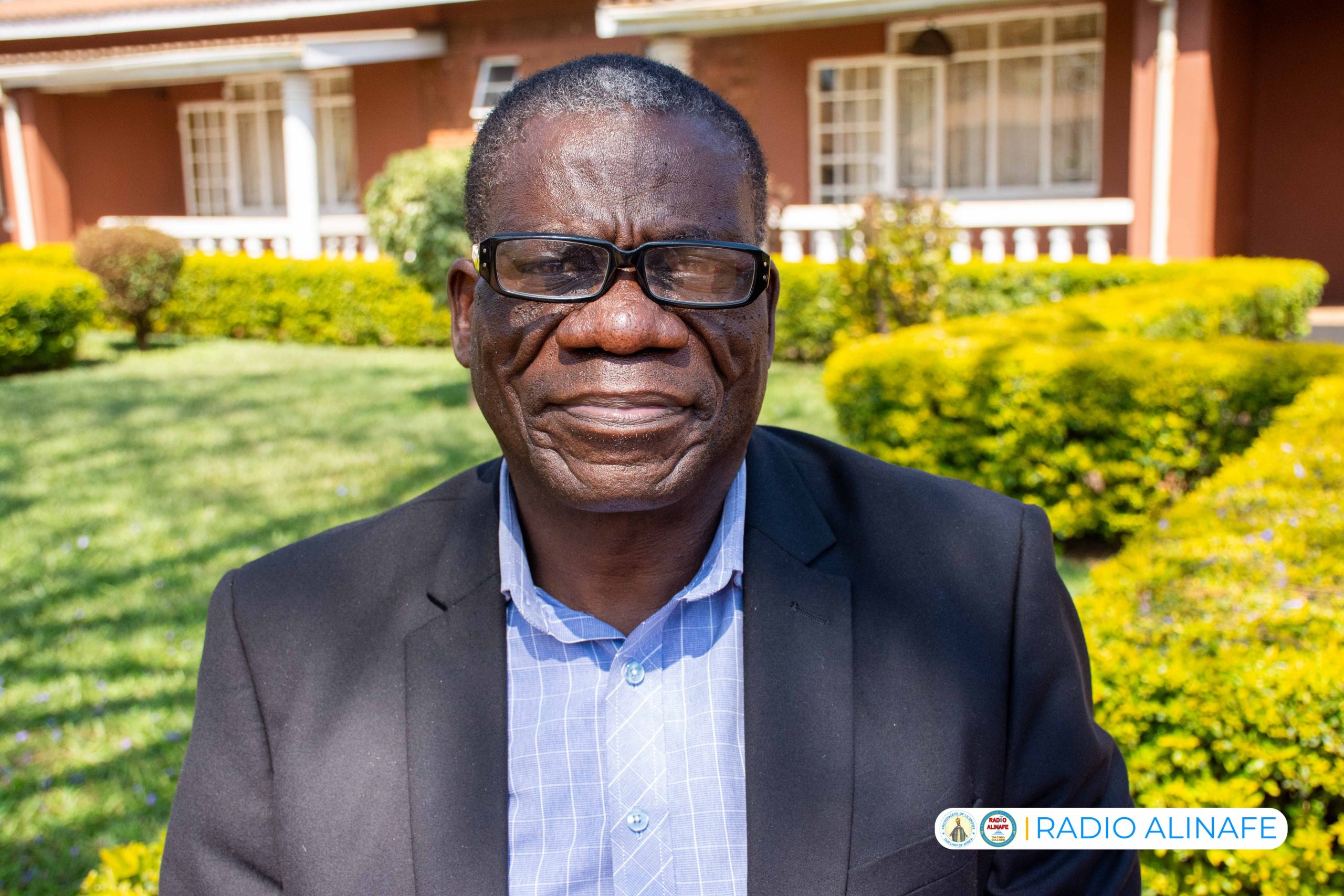
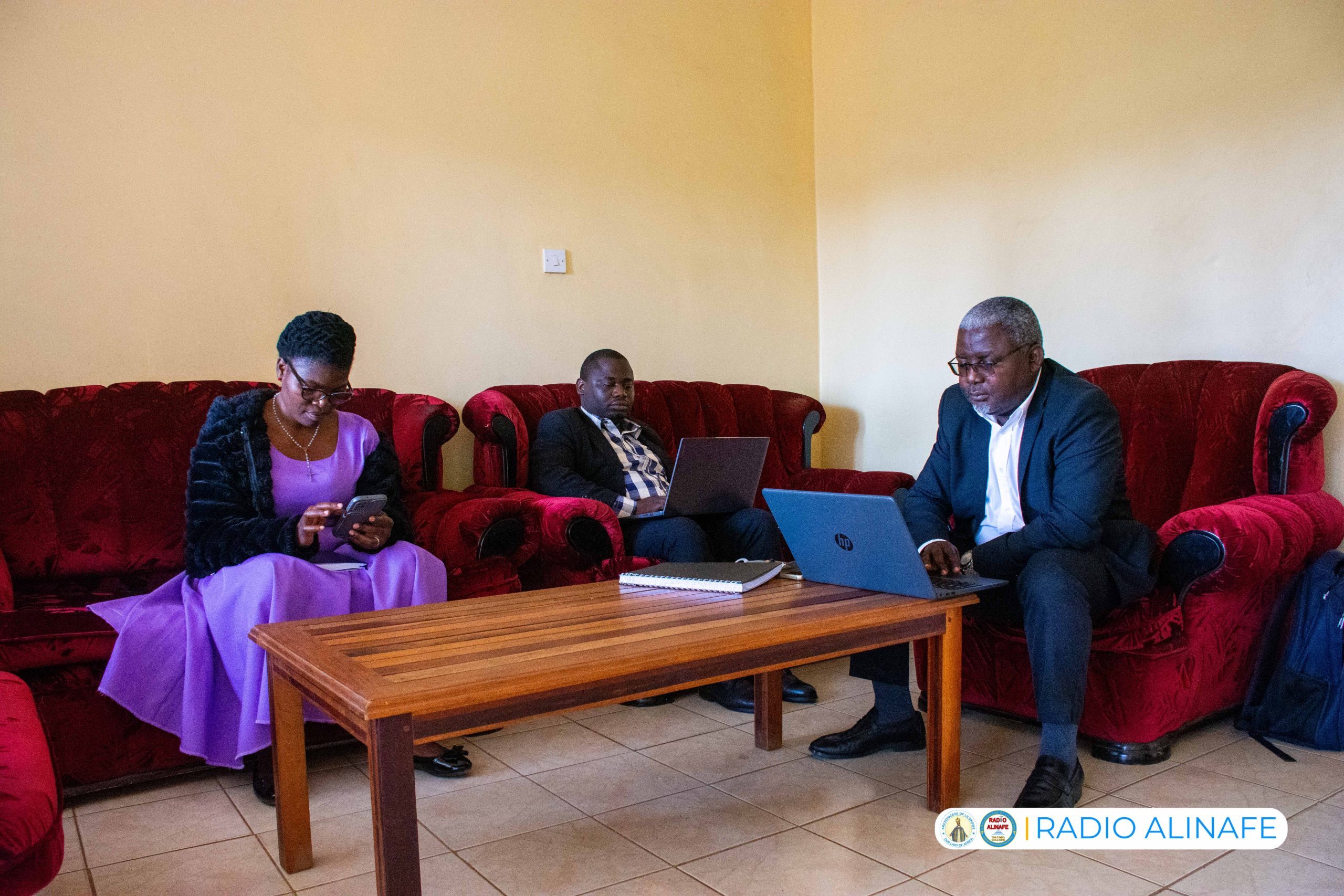
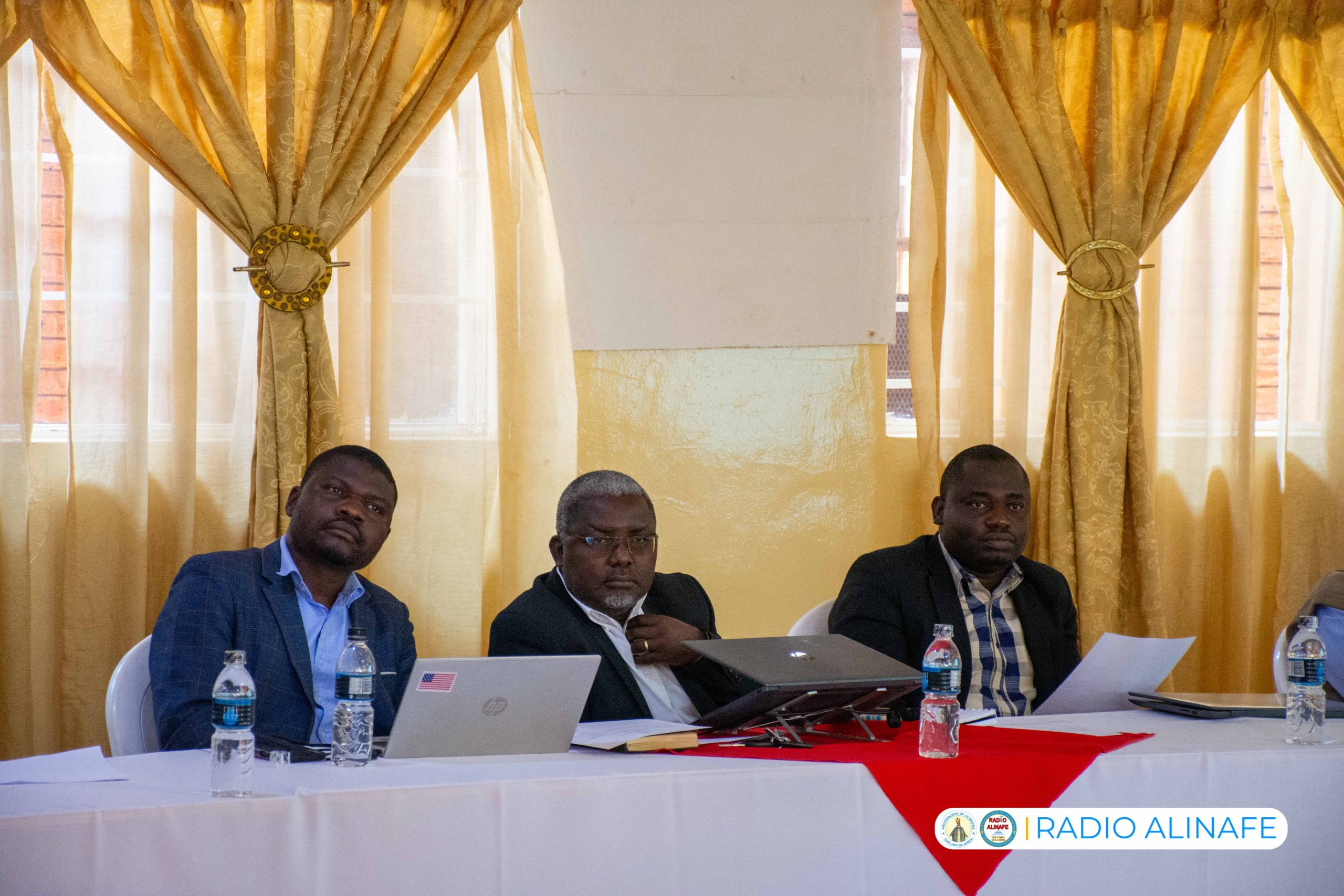
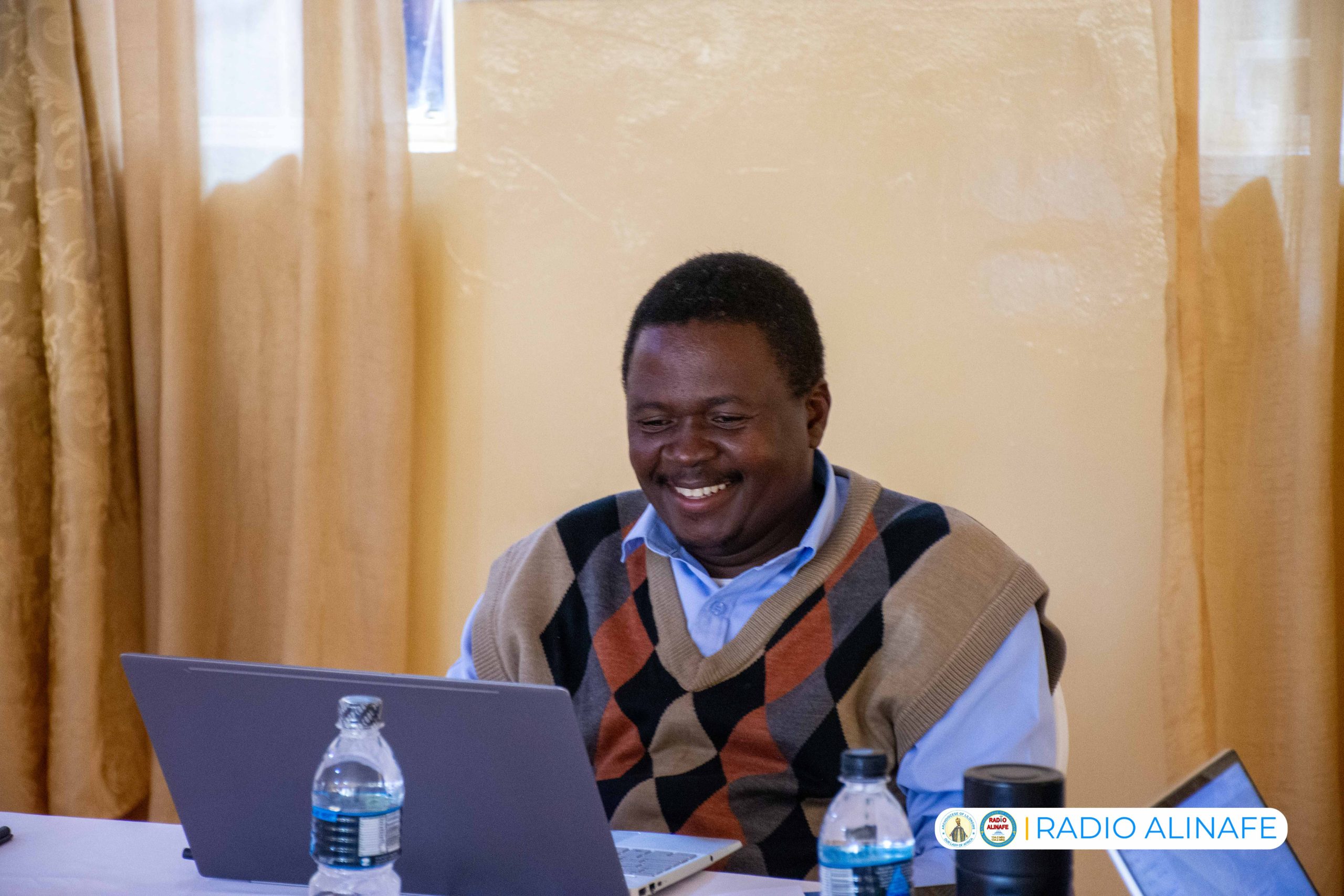
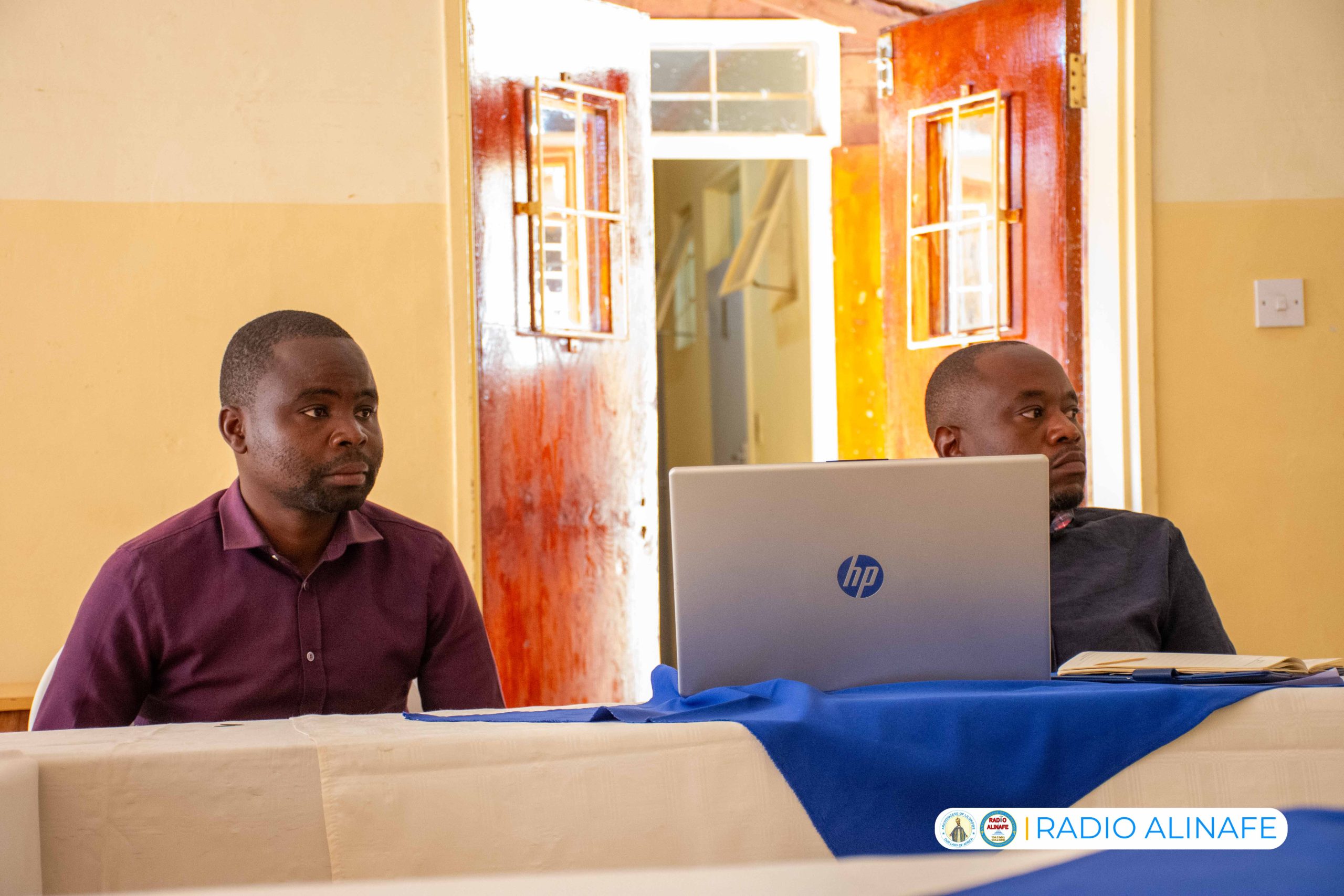
Director of Social Services for the Archdiocese, Brian Odiambo, made the call at Msamba Conference Centre in Lilongwe during the opening of a week-long training on local fundraising for Wilde Ganzen Foundation partners.
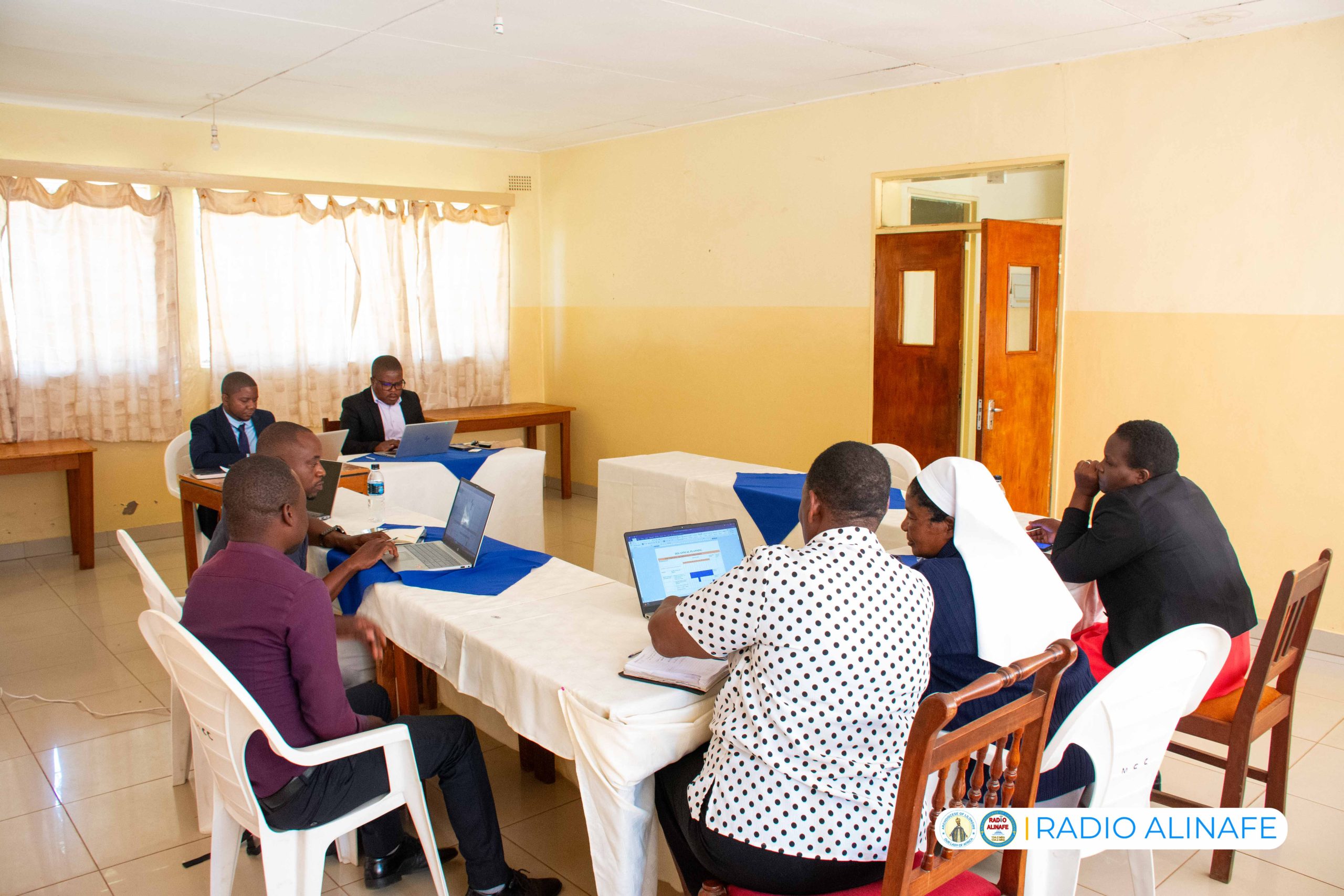
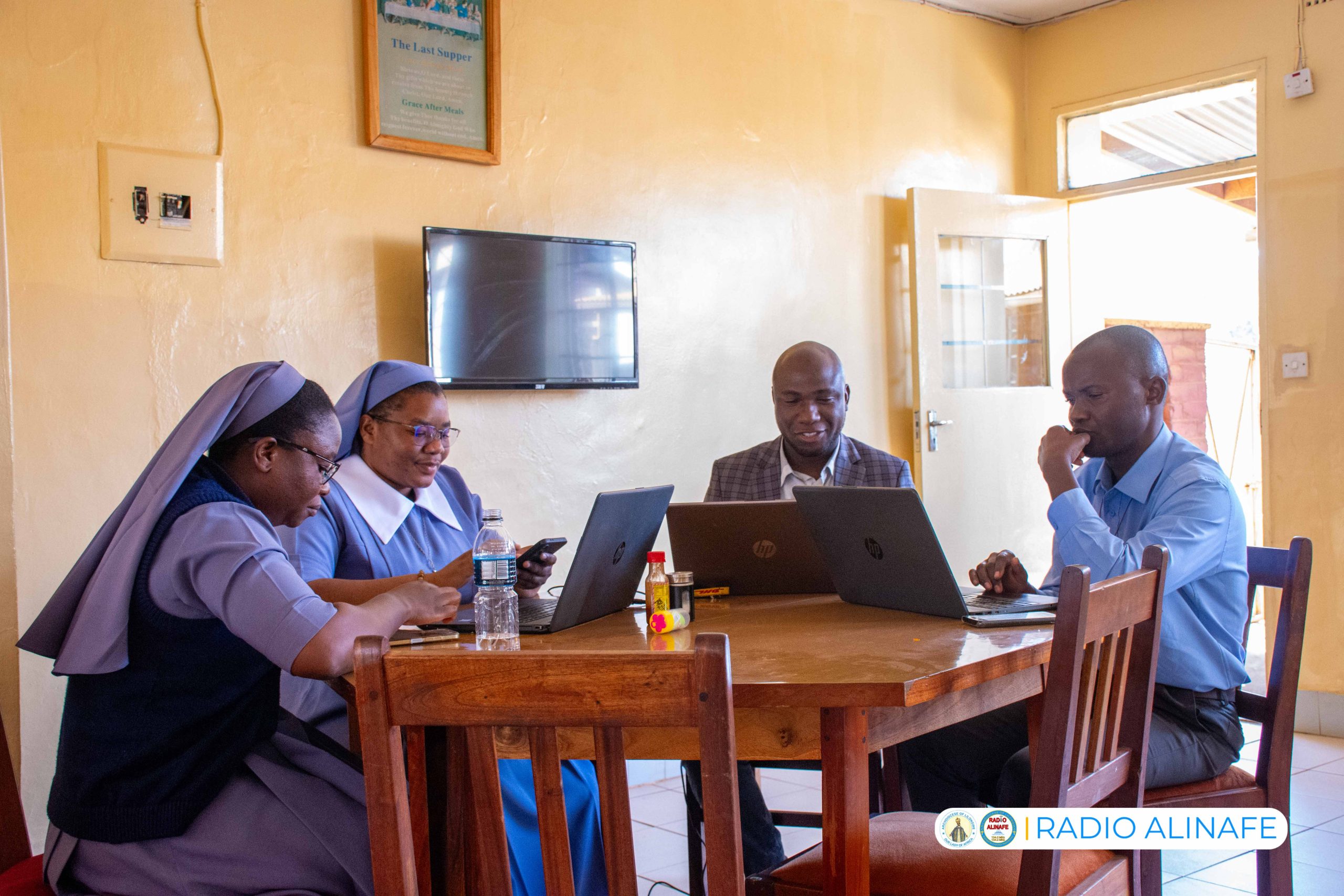
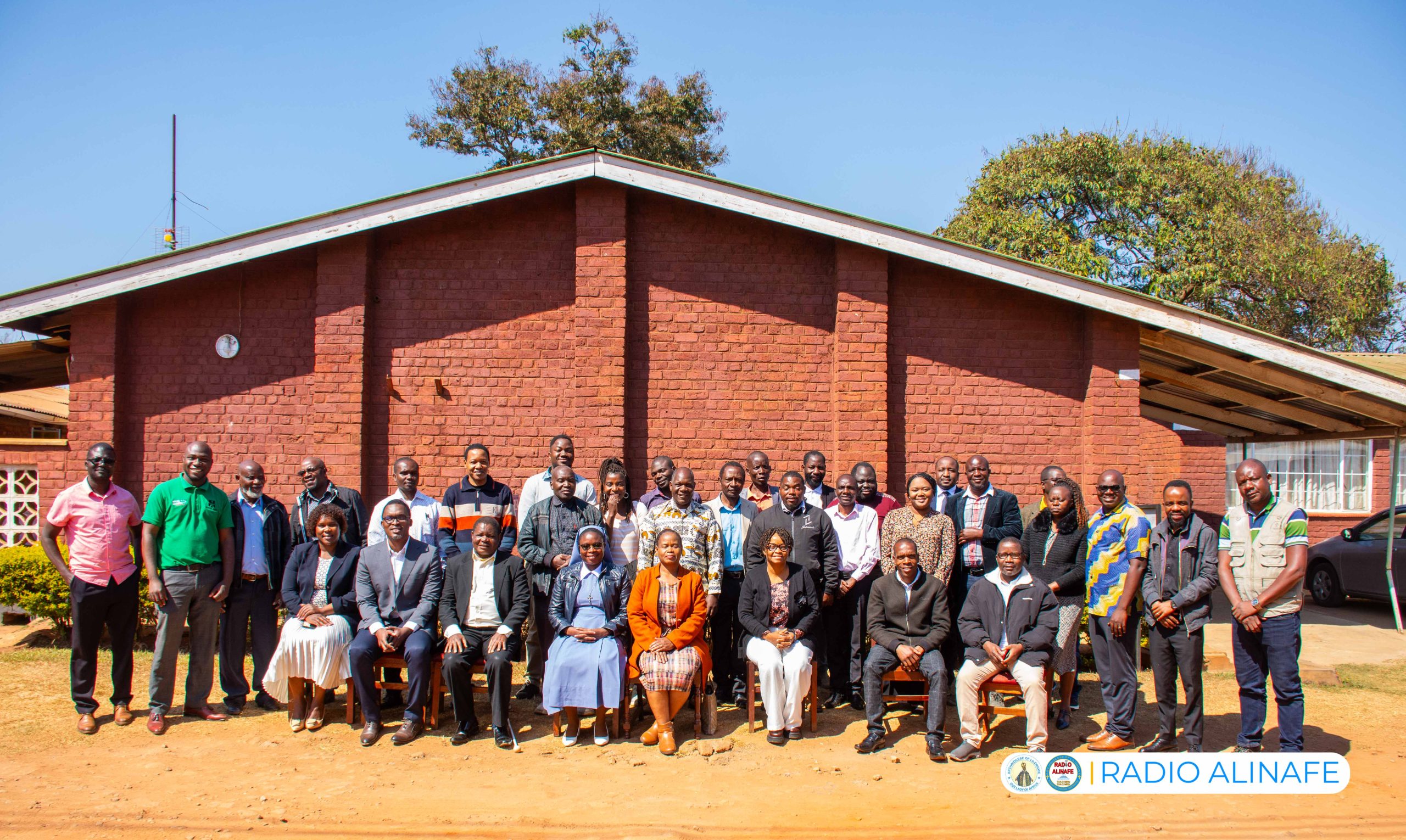
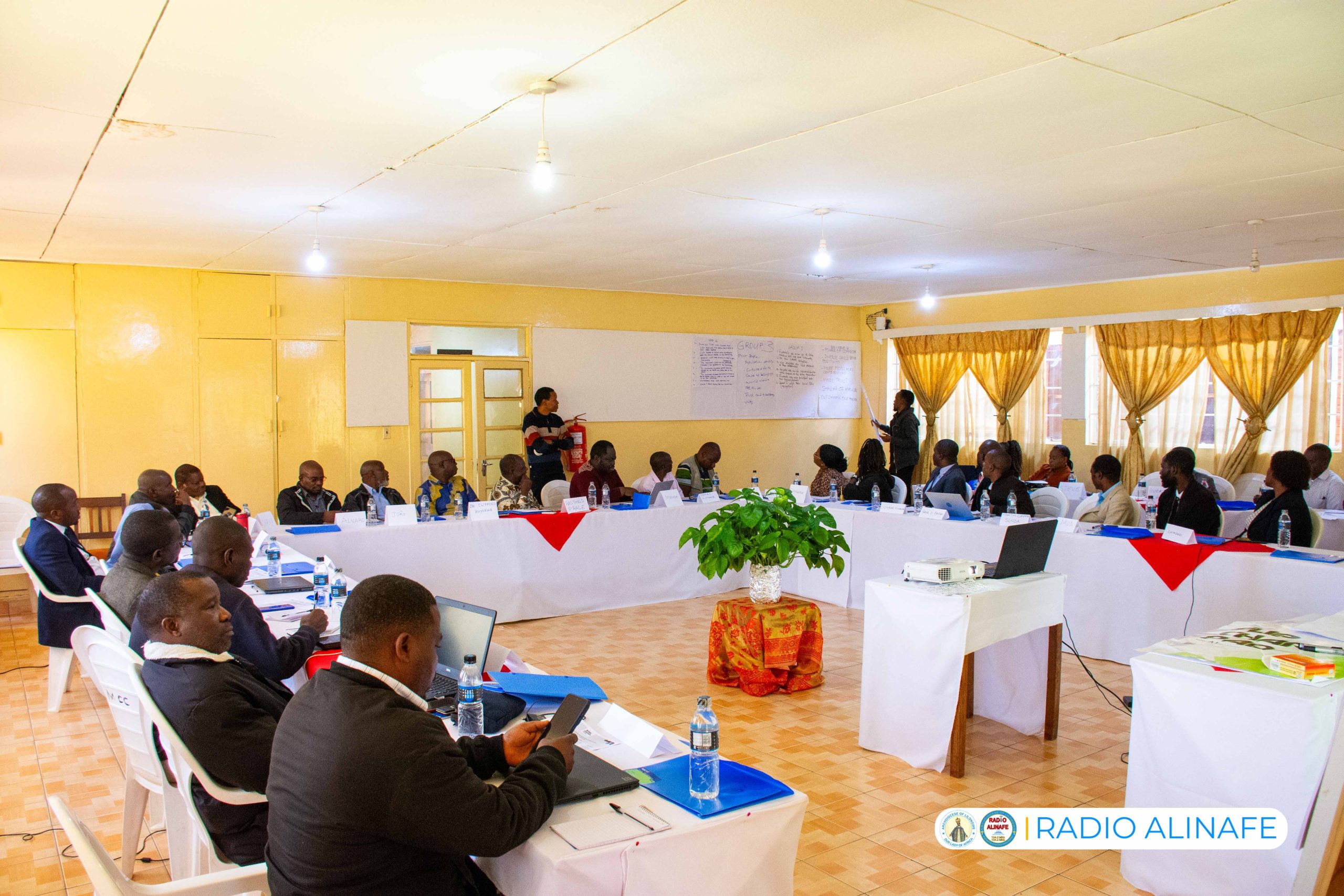
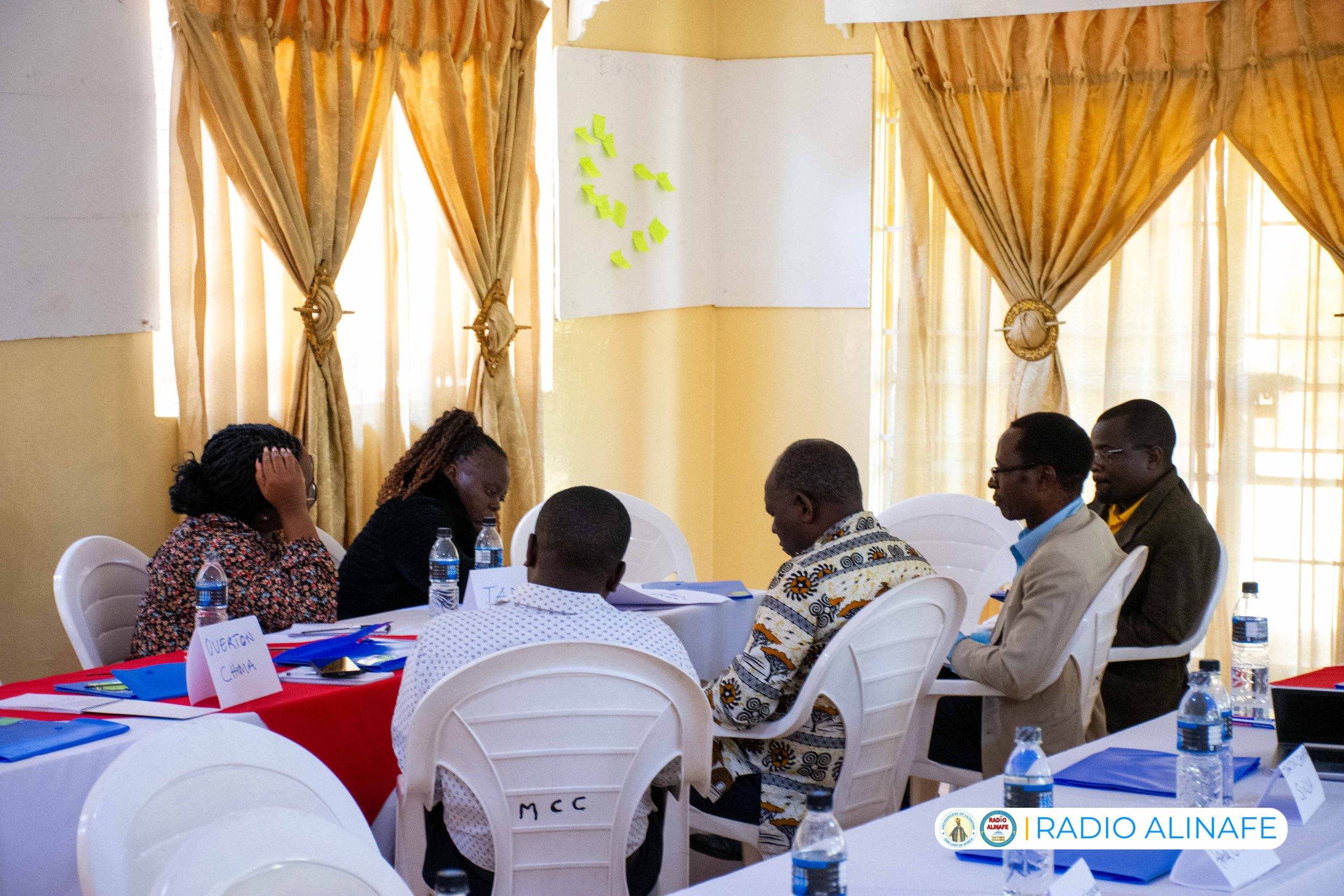
The training has brought together participants from various parts of the country and Mozambique, alongside facilitators from change the Game Academy, Tanzania, to share experiences and best practices.
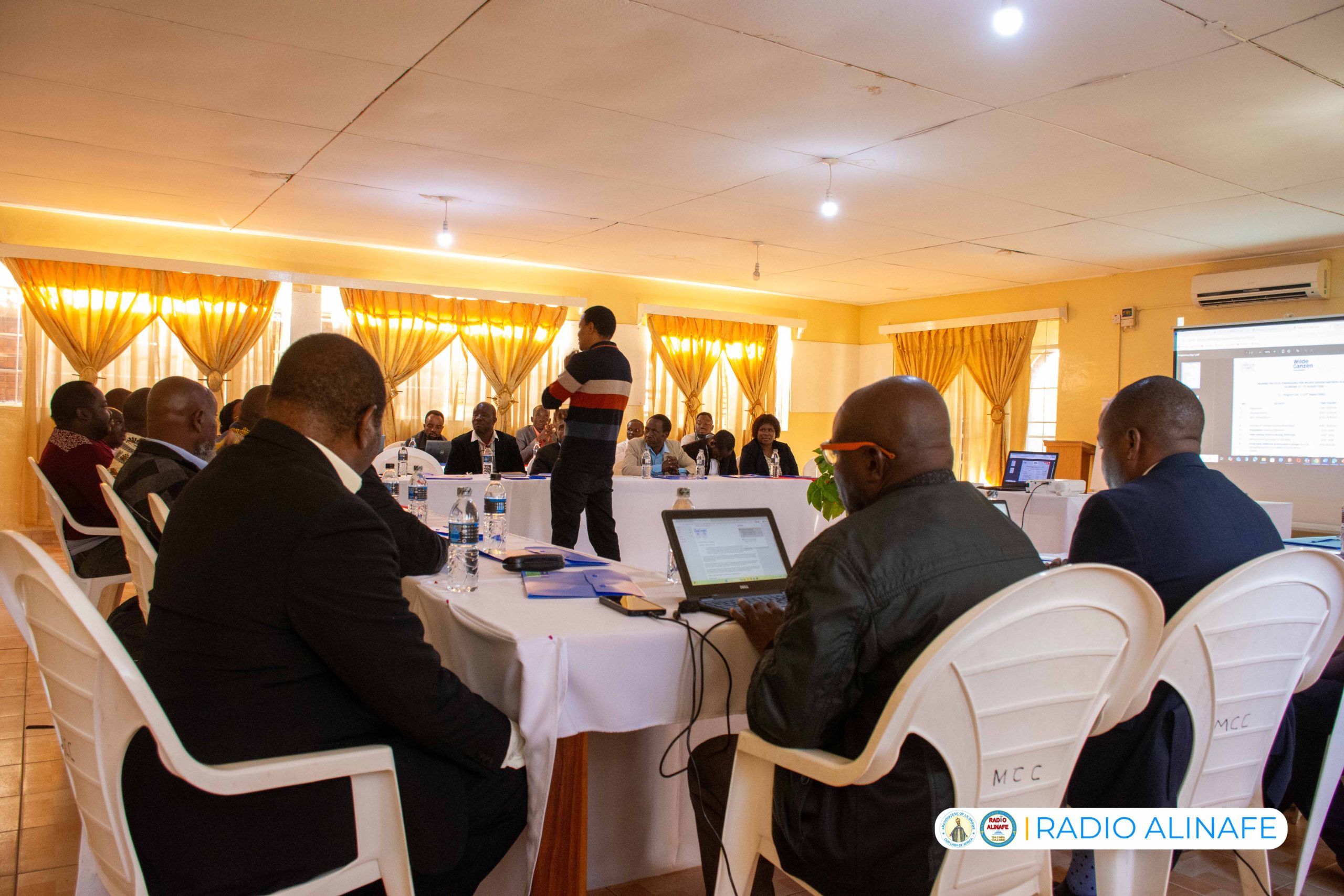
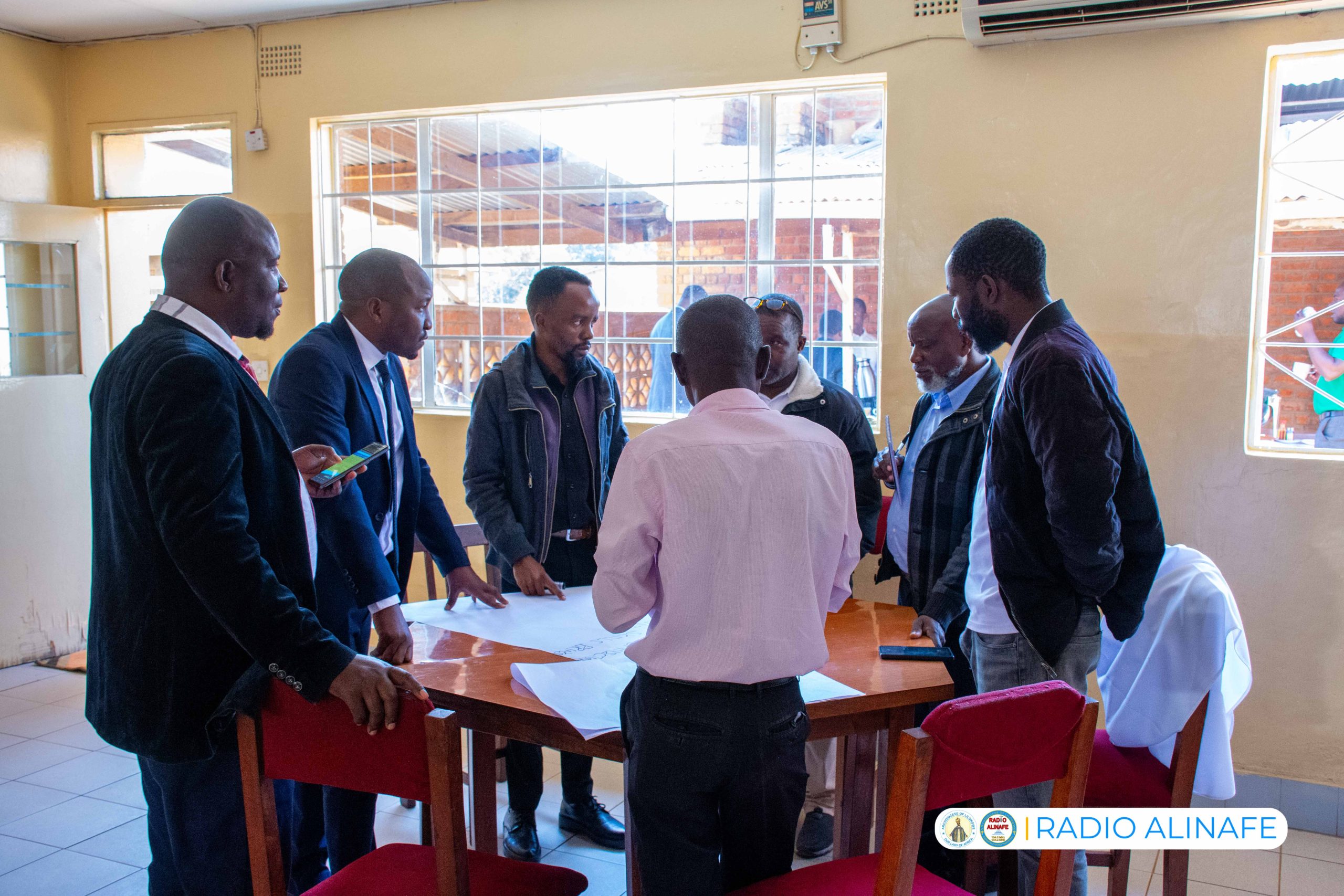
Odiambo said under the Eco-Star School project implemented by the Archdiocesan Education Commission, the archdiocese has been promoting environmental protection in selected schools, with learners, parents and traditional leaders actively participating in initiatives aimed at protecting the environment.
He said the success of the project in the archdiocese will provide an opportunity for participants of the training to learn from one another through what he described as peer sharing, particularly as communities across the region face similar development challenges.
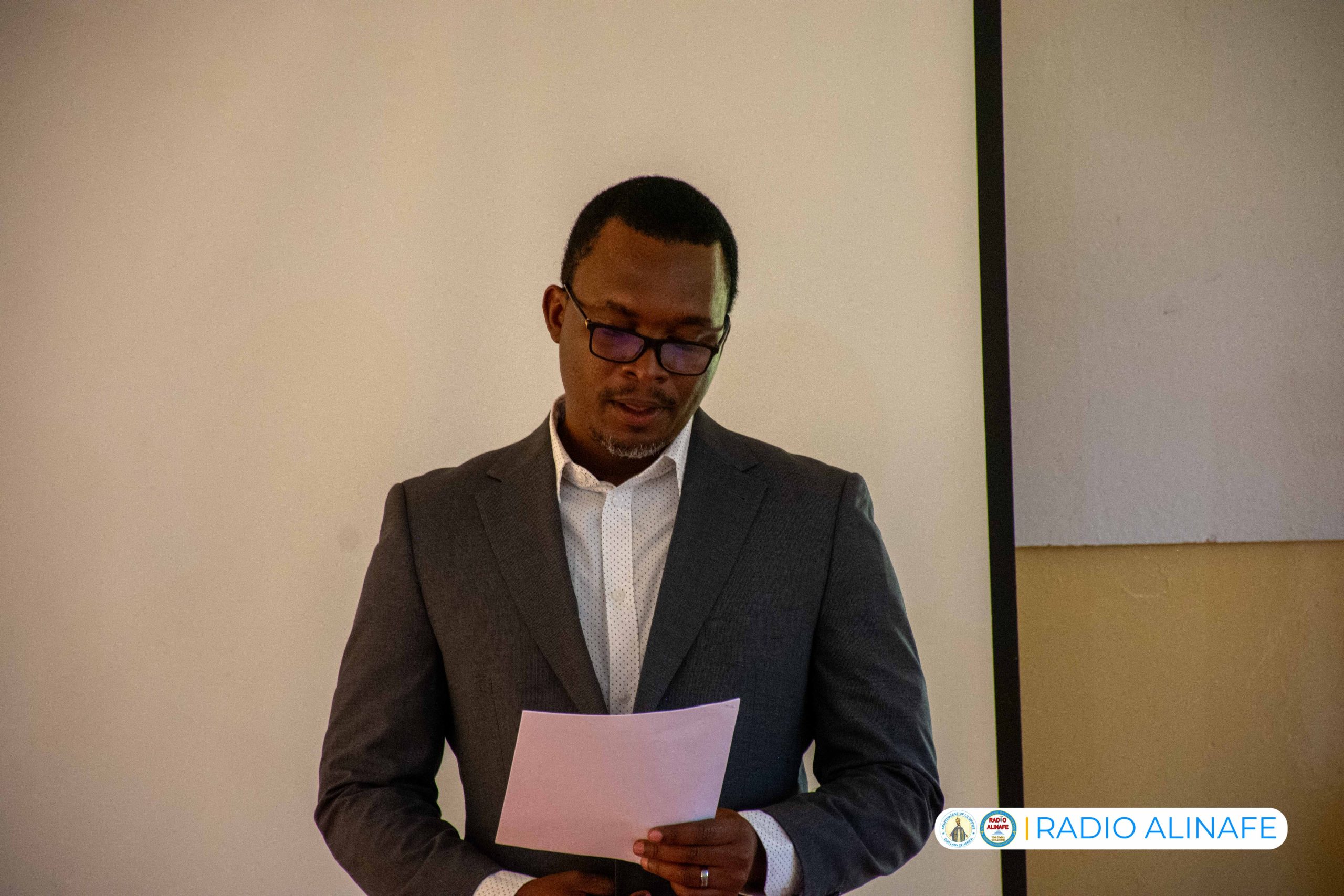
“We are going to share our skills, best practices and ideas so that the outcome of the meeting can be extended to places where these good practices are not already being implemented,” Odiambo said.
He said the archdiocese’s approach to promoting self-reliance, which involves Christians working through Small Christian Communities, parishes and the wider Archdiocese, can be adapted by other community structures to promote environmental protection and sustainable development.
Odiambo urged communities to take a leading role in identifying and using locally available resources to sustain development initiatives.
He observed that changes in the donor community and international development assistance make it increasingly important for communities to prepare themselves to continue implementing their development priorities even when external funding is disrupted.
“If external assistance comes, it should still find that the communities are ready, they have their priorities set, and they have a method of how they want to develop themselves,” he said.
He encouraged participants to make good use of the gathering by acquiring new skills and sharing their own experiences to strengthen communities in a reliable and sustainable manner.
Odiambo also expressed gratitude to Wilde Ganzen Foundation for supporting the initiative and providing resources that have enabled participants to come together and share experiences.
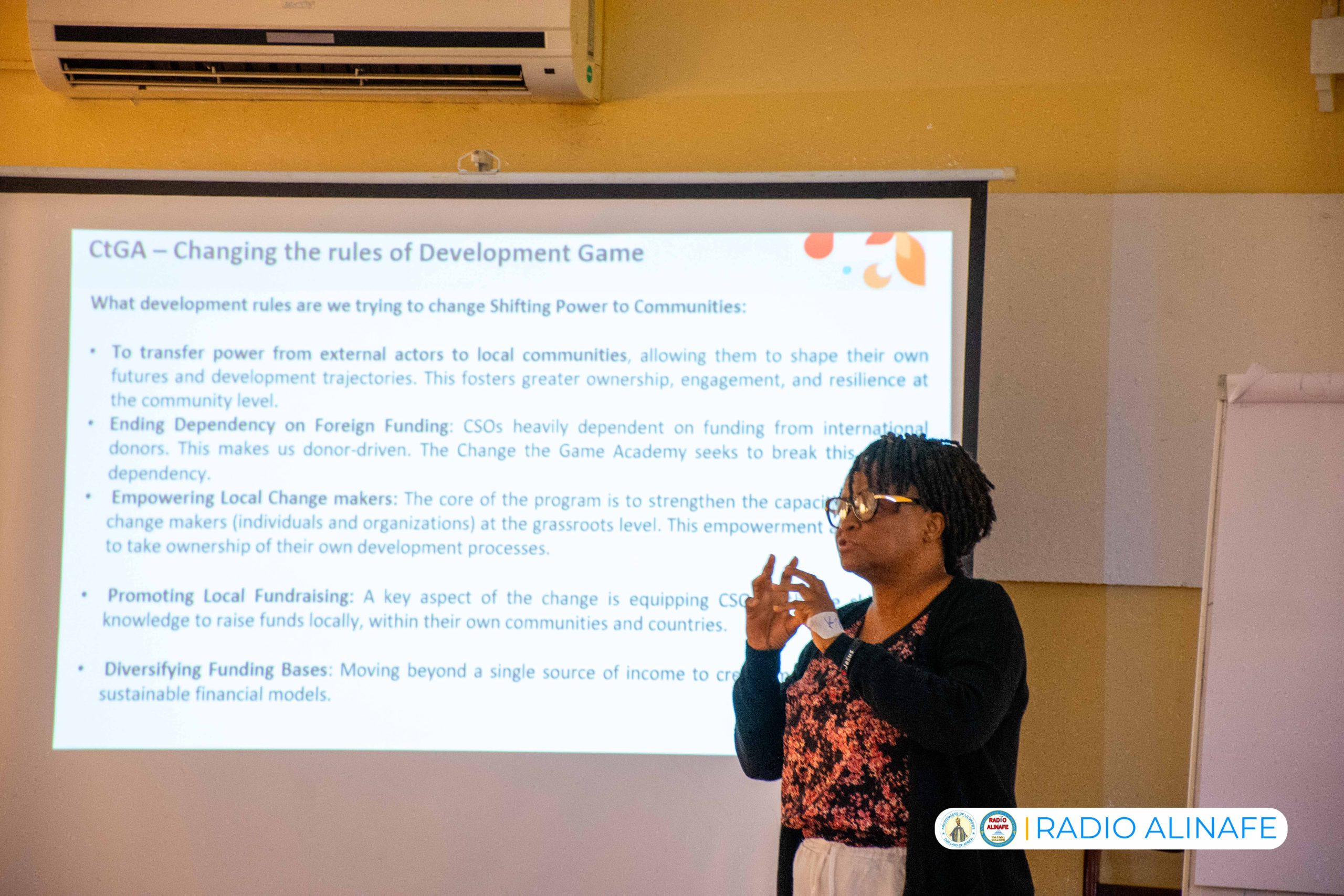
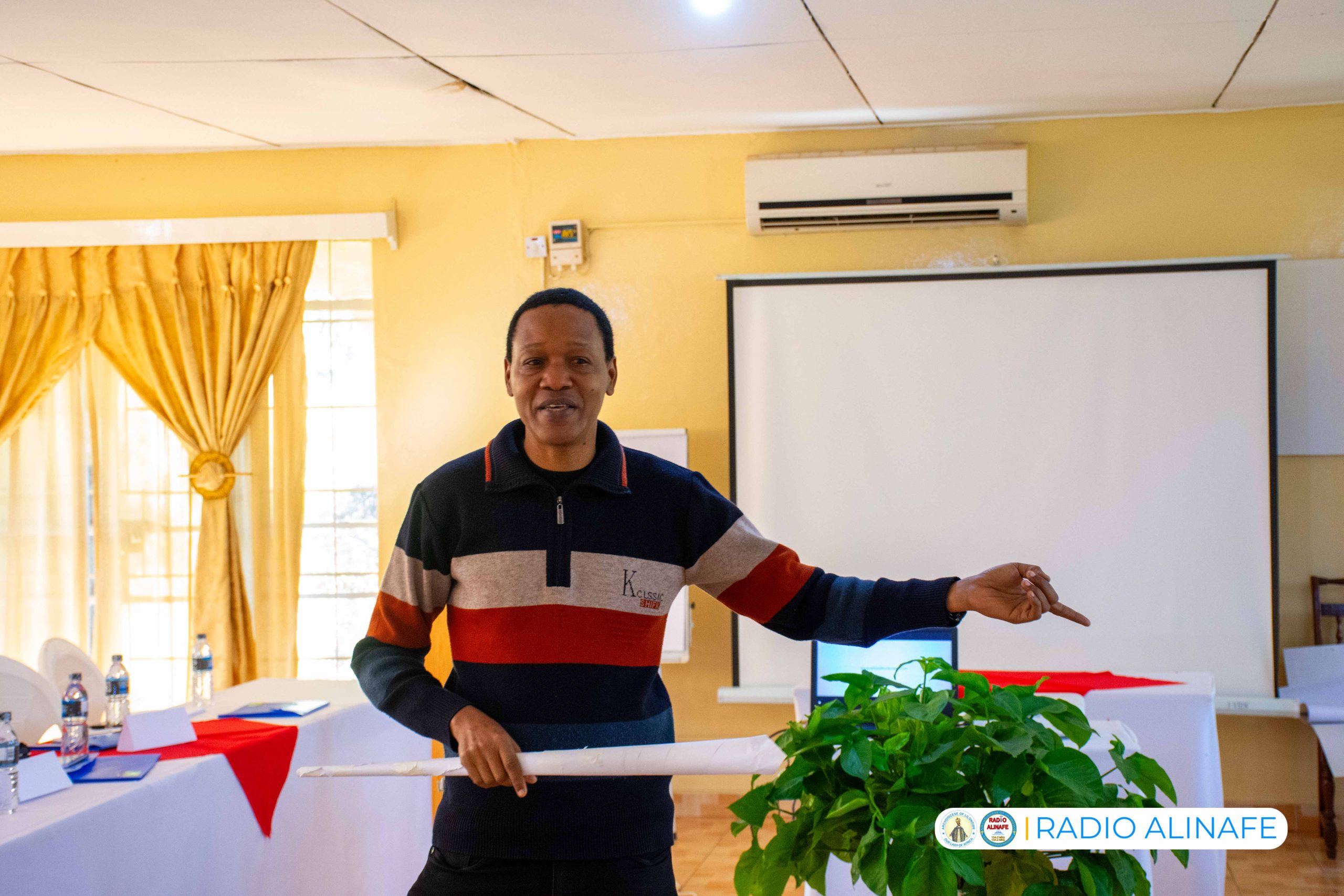
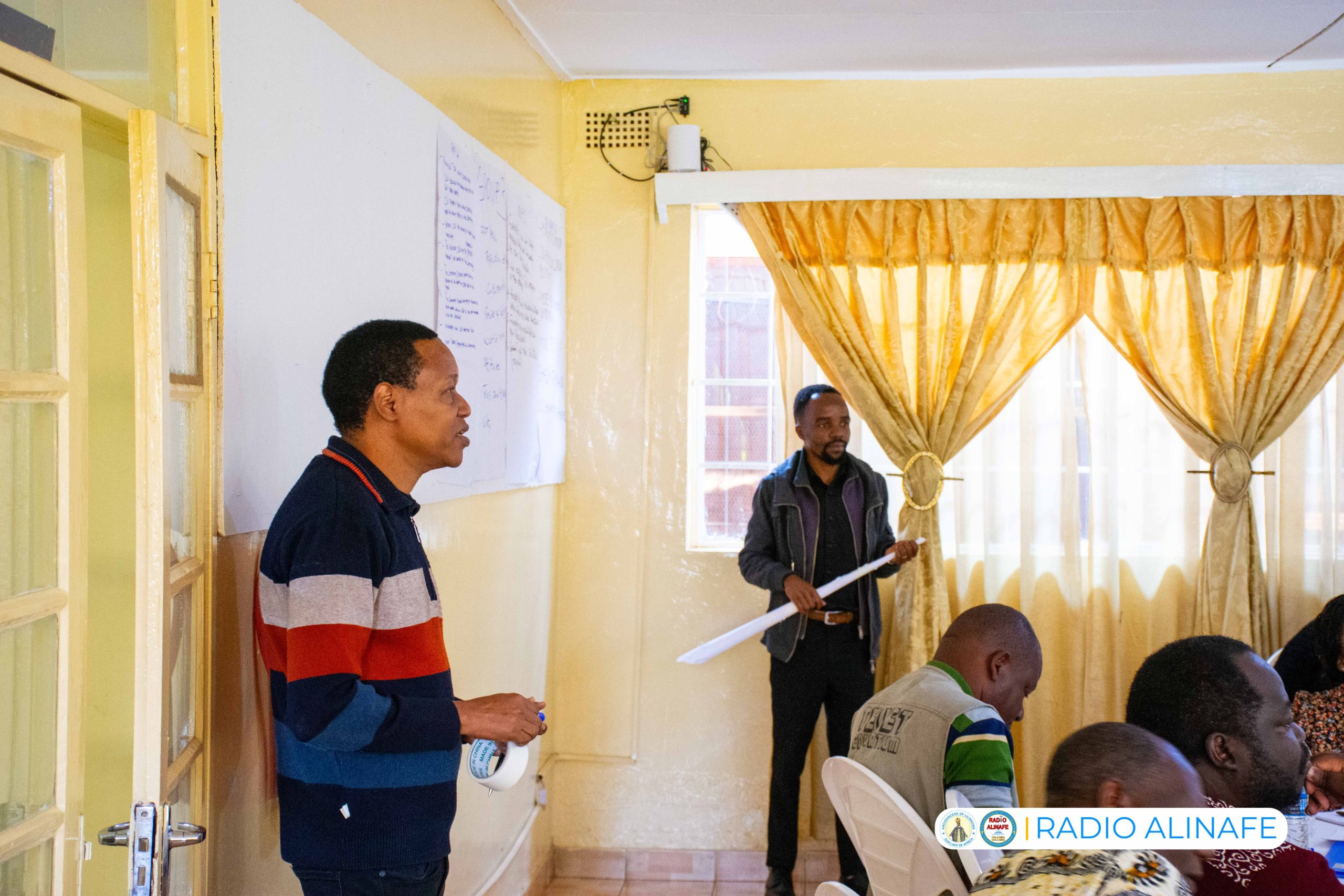
In her remarks Edna Chilimo, a Local Fundraising (LFR) trainer and consultant from Dar es Salaam, Tanzania, who is facilitating the training, said the training, being conducted together with her colleague Elias, is aimed at equipping CSOs with skills to mobilise resources within their communities and reduce their dependence on traditional international donors.
Chilimo said the decline in donor funding is a global challenge affecting civil society organisations, making local resource mobilization more important for sustaining development initiatives.
“The purpose of this training is to build the capacity of CSOs so that they will be able to mobilise resources from their communities,” Chilimo said.
She said Tanzania has already recorded positive results from implementing the programme, which has been running since 2018 under the Change the Game initiative.
She said some Tanzanian CSOs have successfully partnered with telecommunications companies such as Airtel, Vodacom and Yas, as well as mining companies, securing both financial and in-kind support.
“They have added more funders, especially from local sources. Some of them have been able to engage the business community and the private sector and have also got support, either in-kind or cash contributions,” she said.
Chilimo encouraged Malawian CSOs to embrace local fundraising, saying the approach is already producing results in Tanzania and other countries where the programme is being implemented.
“We are here to tell our fellow CSOs here in Malawi that it is possible to mobilize resources locally,” Chilimo said.
Margaret Gondwe, who is representing Youth Enterprises at the training, said the organization is looking forward to gain practical knowledge on how to mobilize resources locally and engage potential donors.
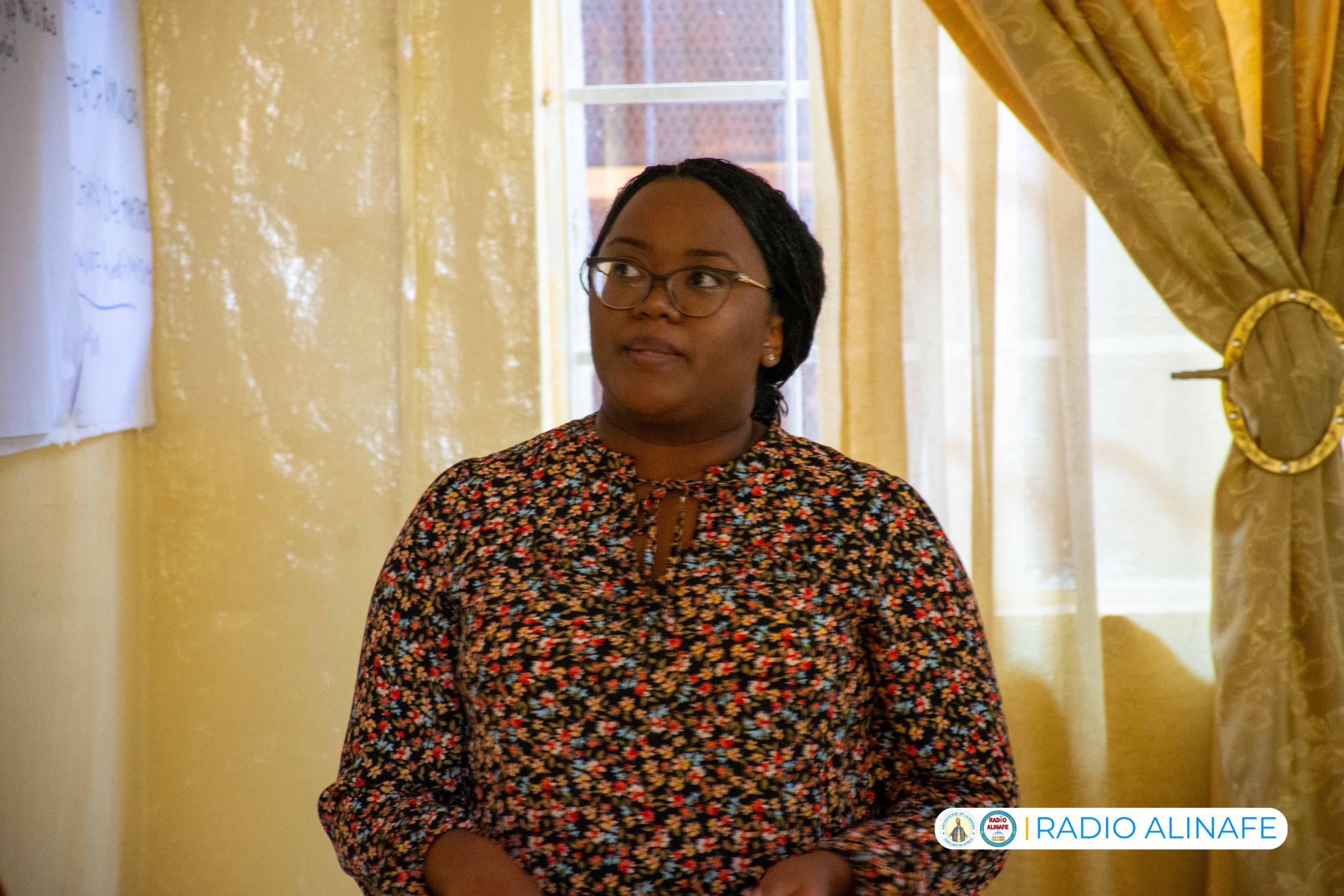
“From this training, I am expecting to gain more knowledge and expertise in local fundraising, how best to approach local donors, and also to learn from other organisations who have similar interests as us,” she said.
The training, organised by the Wilde Ganzen Foundation, has brought together CSOs to build their capacity in local resource mobilisation and encourage them to reduce dependence on international donors.
By Lester Mhone